


Protecting racking and plant from vehicles
A forklift into a racking leg is a bad day; into a gas main it is worse. What to put in front of the things on site you cannot afford to have hit.
Most warehouse damage is not dramatic. It is a forklift clipping the same racking leg twice a week for two years until somebody notices the upright is bent. The reason barrier goes in is rarely the spectacular impact — it is stopping the slow accumulation that ends with a load coming down.
Work out what you cannot afford to have hit
Walk the site and be honest about it. Racking uprights, roof-bearing columns, the gas meter, the electrical intake, the compressor, the sprinkler riser, the loading bay edge. Then look at where vehicles actually travel — not the marked route, the real one, which you can usually read off the scuffs on the floor.
Wherever those two lists overlap, that is where barrier goes.
Specify the post, not the beam
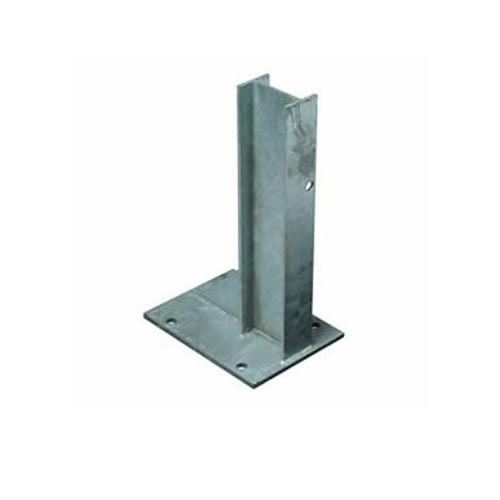
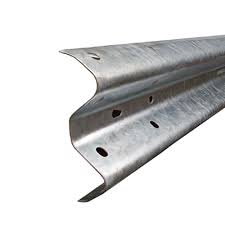
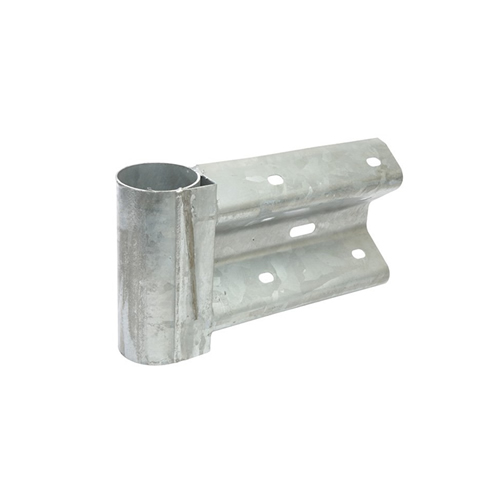
The beam is the same everywhere. What changes is the post, and in a warehouse the answer is almost always the H post rather than the Z post. A Z post is sized for low-speed knocks in a car park; the H post is the heavier section, with longer dig-in options, and it is what you want between a moving forklift and a racking leg.
The warehouse specification
Dig in if you can, bolt down if you must
Warehouse floors are usually a finished slab nobody wants cored, so bolt-down base plated posts are the common answer. That is a real detail — but it moves the weak point into the concrete, so the slab has to be sound and thick enough at every fixing, not just the first one. Where you can dig, dig.
The cheap wins
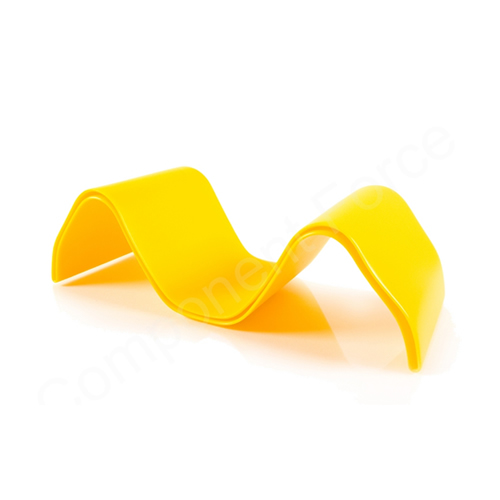
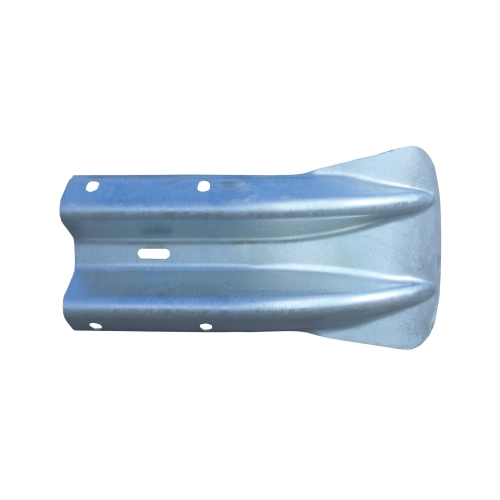
Two things cost almost nothing and get skipped. The first is finishing the ends: a cut beam end sits at shin height and is the thing people actually walk into. A yellow end cap fits straight over an existing beam end and makes it visible in a badly lit aisle.
The second is looking at the run every six months. Barrier is a consumable — it does its job by bending, and a beam that has taken a real hit has already spent some of what it had. Replace the section rather than admiring it.
Frequently asked questions
- What barrier should I use to protect warehouse racking?
Corrugated crash barrier on H posts. The H post is the heavier of the two profiles and is the one specified where the barrier protects racking, plant, columns or services rather than taking low-speed car park knocks.
- Can crash barrier be fitted to a warehouse floor without digging?
Yes — base plated posts at 560mm and 760mm overall bolt down to the slab with anchor fixings. Check the concrete is sound and thick enough at each fixing point, because that becomes the weak part of the installation.
- Should damaged crash barrier be replaced?
Yes. It absorbs impact by deforming, so a beam that has taken a real hit has already used some of its capacity. Replace the affected section rather than leaving it in place.