


How to build a sleeper retaining wall with steel posts
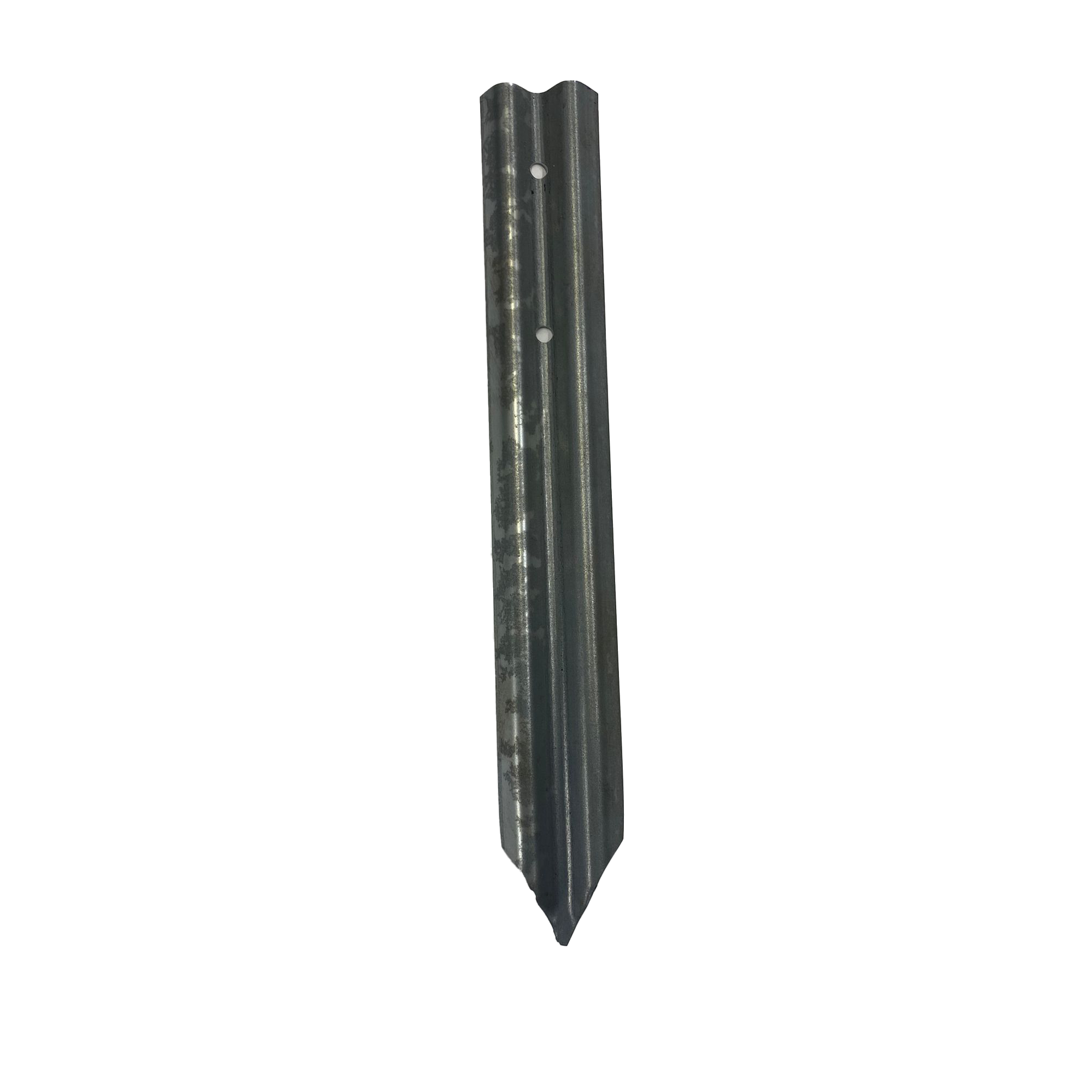
Set the posts first, concrete them, then drop the sleepers in course by course. No fixings go through the timber — the channel does the holding.
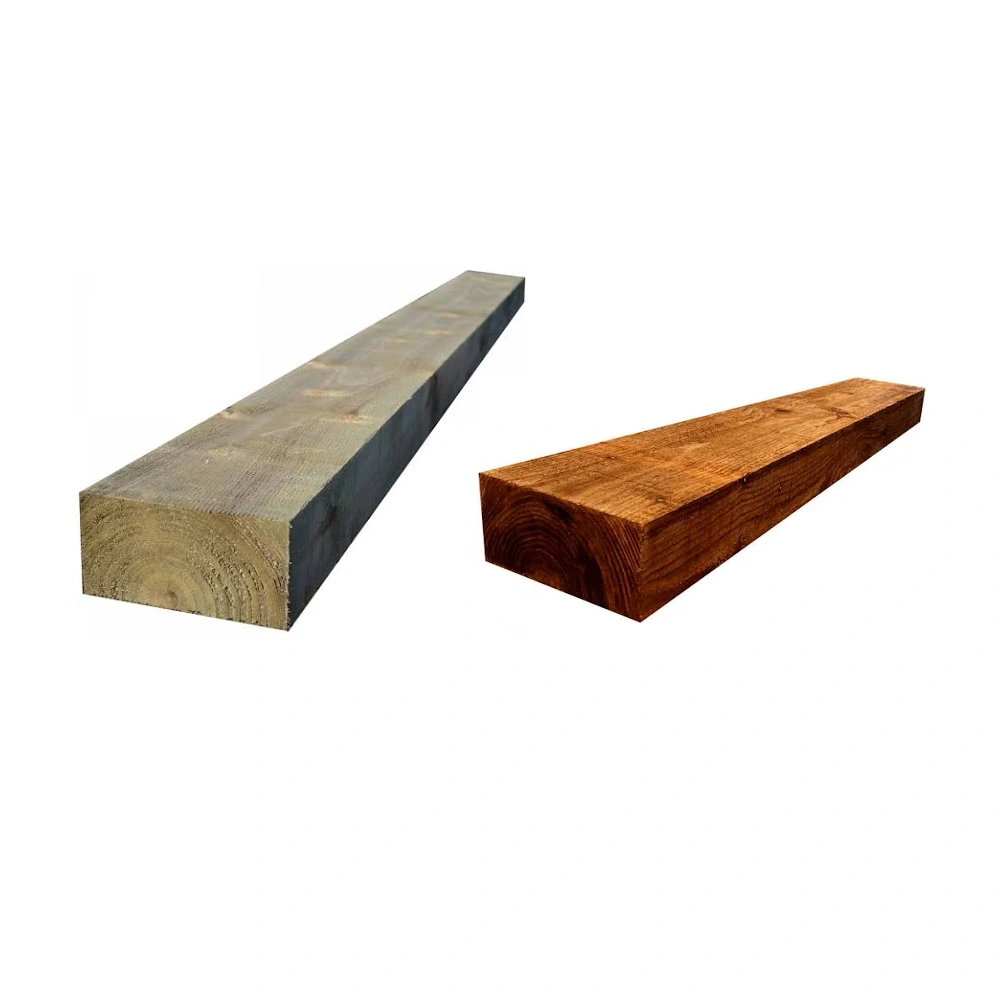
The sequence matters more than the skill. Sleepers are a fixed 2.395m and the posts have to land to suit them, so everything is decided by where the holes go. Get that right and the rest is stacking.
Before you dig
Work out the finished height you want standing, add roughly a third again for the buried section, and order the nearest post height up. Set the run out with a line and mark the post positions off an actual sleeper rather than a tape — lay one on the ground at each end of the line and mark where the channels will sit.
Setting the posts
- Dig each hole to about a third of the post length and roughly three times the post width. On a 1.8M post that is a 600mm hole.
- Stand the post, check it for plumb in both directions, and check the channel is square to the line — a post twisted a few degrees will fight the sleeper going in.
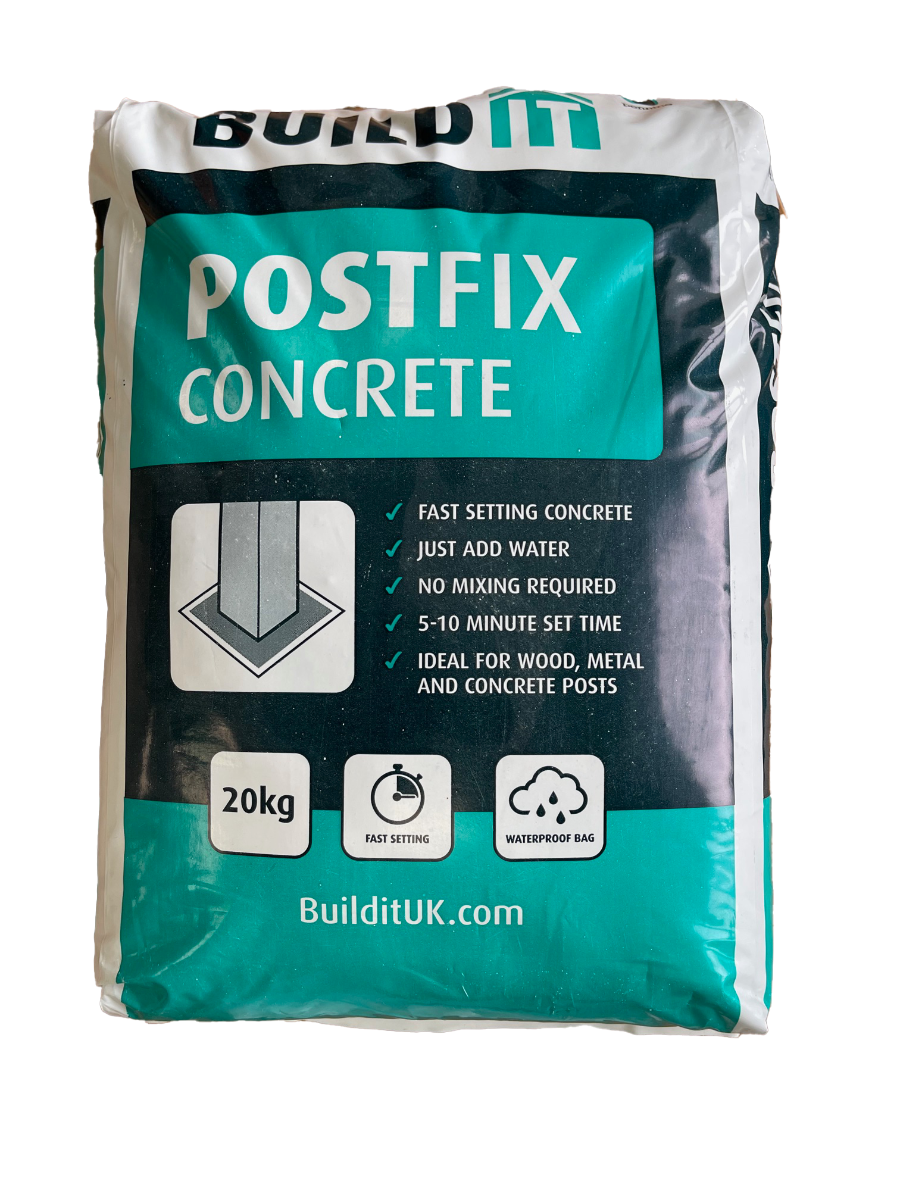
- Concrete each post and let it go off before any timber goes near it. Post mix is fine for a garden wall; use a proper concrete mix on anything genuinely retaining.
- Work along the run checking post centres against a real sleeper as you go, not just against the string.
What goes in the ground
Stacking the sleepers
Drop the first course in from above, sliding each end down the channel. Level it — this is the course that sets every one above it, so it is worth the time. Then keep going, course on course, checking level every two or three.
Nothing needs to bolt through the timber. The channel holds each end and the weight of the stack holds the rest. Leave the small gap you find at each end alone: it is what stops the sleeper splitting when it swells in winter.
Drainage and the back of the wall
Water behind a retaining wall is what pushes it over. Backfill with something free-draining rather than the clay that came out of the hole, and give the water somewhere to go — a perforated pipe at the base running to a soakaway or a drain. Lining the back face with a membrane keeps wet soil off the timber and buys years.
Where a sleeper is sitting on soft ground rather than spanning between posts — a low edging run, the bottom course of a bed — a sleeper pin driven behind it anchors it and stops it creeping forward.
Finishing
Trim the post tops if you have gone up a height and left steel standing proud. On galvanised posts, treat any cut with a zinc-rich paint; on powder coated, touch the cut in before winter. Raw steel needs nothing unless you are painting the lot.
Frequently asked questions
- How deep should sleeper post holes be?
About a third of the overall post length and roughly three times the post width — a 600mm hole for a 1.8M post. Set them in concrete and let it cure before loading any timber into the channels.
- Do sleepers need drainage behind them?
Any wall retaining ground does. Backfill with free-draining material rather than the excavated clay, run a perforated pipe at the base to a drain or soakaway, and put a membrane against the back of the timber.
- Can I build a sleeper wall on my own?
The posts and the setting out, yes. The sleepers are heavy enough at 195 x 95 x 2.395m that lifting them over a post and down a channel is a two-person job once you are more than two or three courses up.