


Railway sleeper
Heavy timber baulks, originally cut to carry railway track. Used in landscaping for raised beds and retaining walls, and as robust vehicle-stop edging.
Also called: railway sleepers, sleeper, sleepers
A railway sleeper is a heavy softwood baulk used flat as a building unit in gardens and landscaping. Ours are 195mm x 95mm x 2.395m, tanalised green or brown — a modern working size rather than a reclaimed track sleeper, which is bigger, oilier and inconsistent from one to the next.
Laid flat, each course adds 195mm of height and the wall is 95mm thick. Five courses gets you to 975mm, six to 1.17m. Stood on edge you would gain height per sleeper and lose most of the strength, which is not what the posts that hold them are cut for.
What they are used for
- Raised beds — one course is an edge, two is a growing depth, three is something you can sit on.
- Terracing — a sleeper wall on steel posts is the cheapest sound way to turn a sloping garden into two flat ones.
- Edging and steps — laid flat and held with sleeper pins.
- Low retaining walls — sound up to about a metre of retained ground, with drainage behind.
How they are held
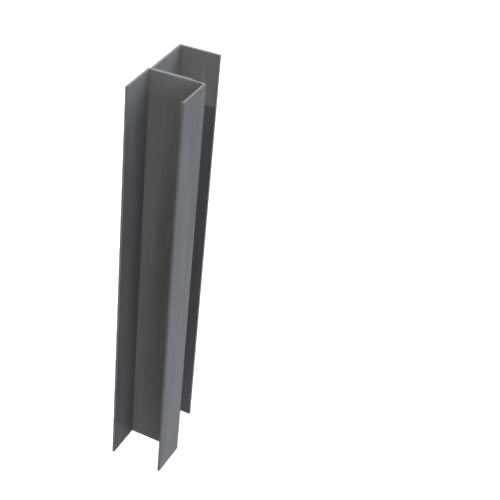
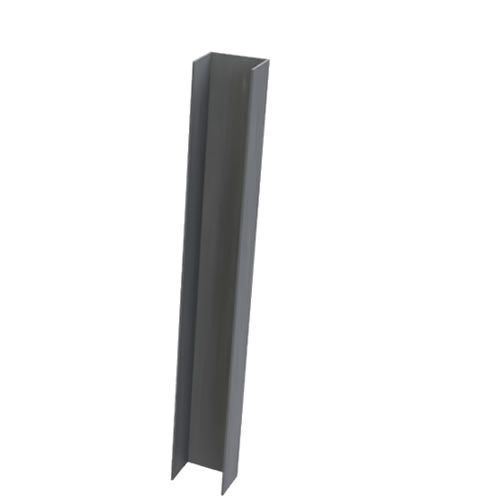
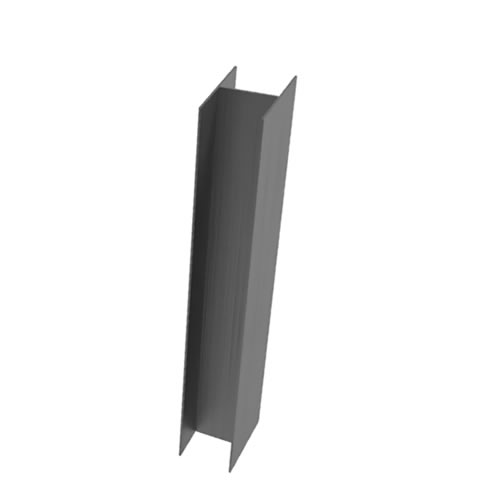
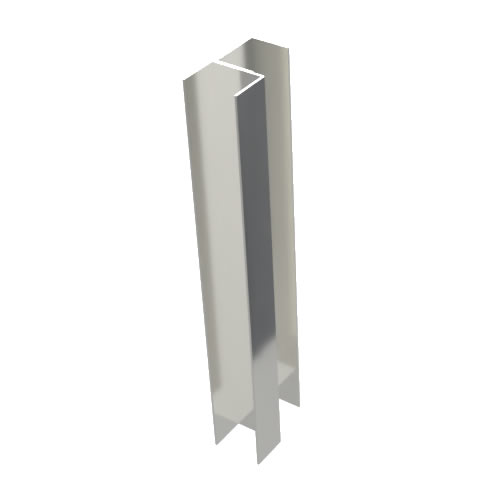
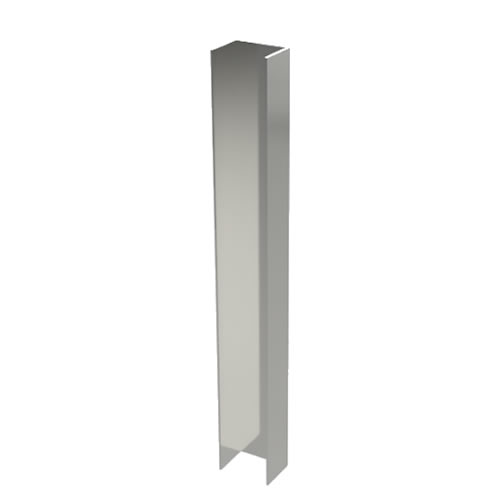
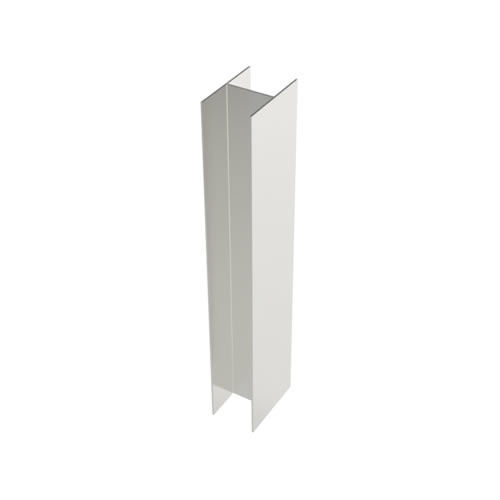
Sleepers are not fixed to each other. The ends drop into the channel of a steel sleeper retainer post, and the weight of the stack does the rest. That leaves the timber free to move seasonally instead of splitting around a bolt.
Railway sleeper products we stock
Frequently asked questions
- What size are railway sleepers?
Ours are 195mm x 95mm x 2.395m. Reclaimed track sleepers are larger and vary considerably; these are a consistent modern landscaping size.
- How many sleepers make a metre of height?
Five, laid flat — 5 x 195mm is 975mm. Six courses takes you to 1.17m.
- Are tanalised sleepers safe for growing food?
They are pressure treated with modern preservatives rather than creosote, and are widely used for vegetable beds. Line the inside face with a membrane if you would rather the soil did not touch the timber.