


End, corner or intermediate sleeper posts: which you need
Ends and corners are 125 x 65 channel, intermediates are a 117.6 x 64 RSJ that takes sleepers on both faces. Position decides it, not preference.
This is the question that holds up most sleeper orders, and it has a mechanical answer rather than a judgement one. Each post exists to catch timber from a particular number of directions, and that is what sets its shape.
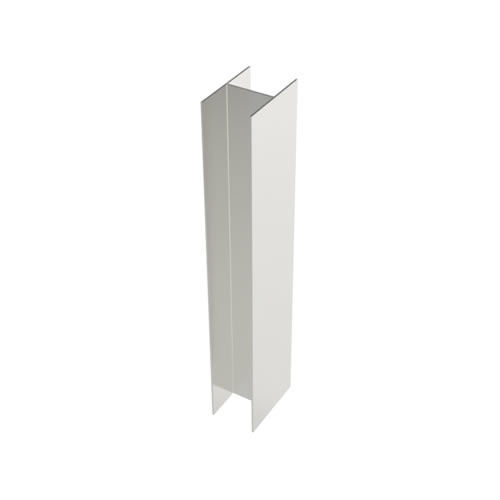
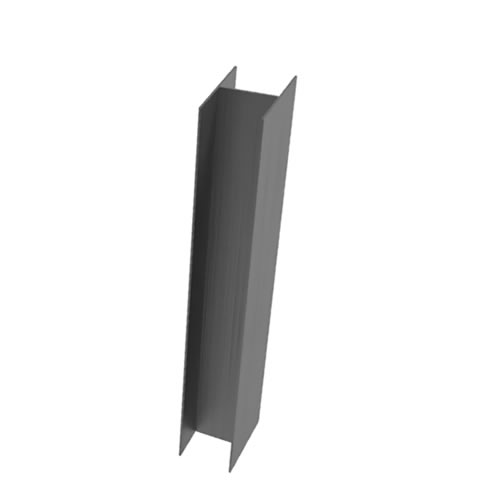
Intermediate — timber on two sides
The intermediate is an RSJ: an H in section, 117.6 x 64, 8.6 kg/m, 4.5mm web and 5mm flanges. An H has a channel on both faces, so a sleeper can drop in from the left and another from the right and the two ends meet inside the steel. That is the whole point of it — it is the post that lets a run be longer than one sleeper.
You need one at every joint. A 7.2m run is three sleepers per course, which is two joints, which is two intermediates.
Intermediate posts

End — timber on one side
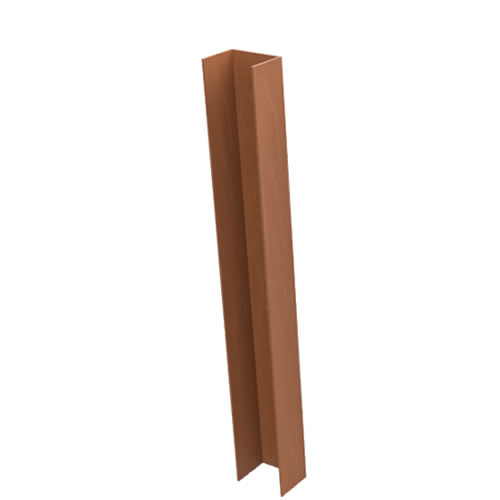
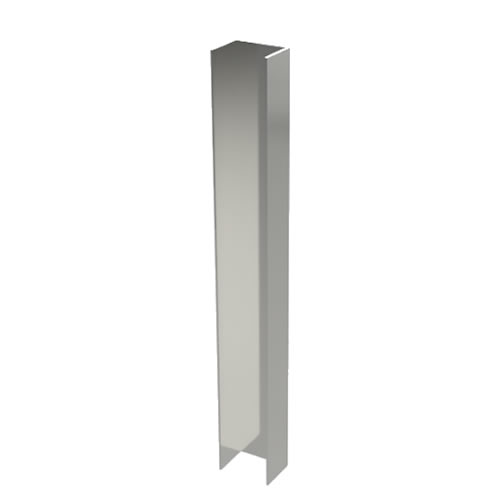
The end post is a PFC channel: a U in section, 125 x 65, 11.9 kg/m, with a 5.2mm web and 6.8mm flanges. One channel, one direction of timber. It is the heavier of the two sections because an end post has nothing pushing back on the far side, so everything the run wants to do is resisted by that one post.
Two per straight run, one at each end, regardless of length.
Corner — where the run turns
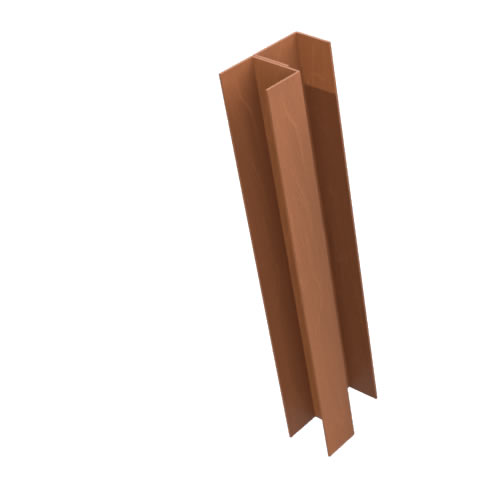
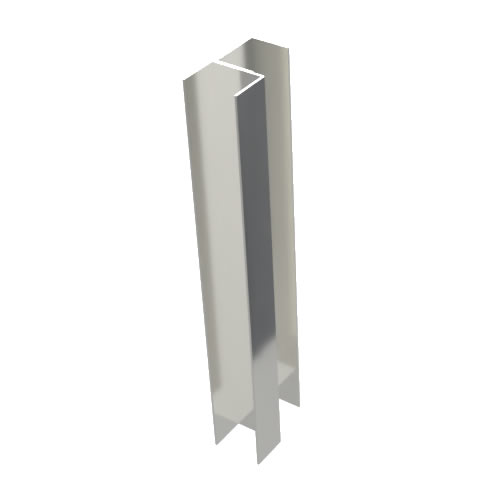
A corner post is what you order where the wall changes direction, built on the same 125 x 65 channel section as the end. Corners are the most heavily loaded position in a sleeper wall — two runs are both trying to push outwards at the same point — which is why the corner is the dearest of the three and why it is worth not improvising one out of two ends.
Ends and corners
Counting them
A worked run
| Run | Sleepers per course | Ends | Intermediates |
|---|---|---|---|
| 2.4m | 1 | 2 | 0 |
| 4.8m | 2 | 2 | 1 |
| 7.2m | 3 | 2 | 2 |
| 12m | 5 | 2 | 4 |
Add a corner for every change of direction, and remember a corner replaces an end rather than adding to one — an L-shaped wall has two ends and one corner, not four ends.
Frequently asked questions
- Can I use an end post as an intermediate?
No. An end post is a U channel with one slot — timber can only arrive from one side. A joint between two sleepers needs the H section of an intermediate so both ends land in steel.
- How many intermediate posts do I need?
One per joint: the number of sleepers in a course, minus one. A 7.2m run is three sleepers, two joints, two intermediates, plus an end post at each end.
- Why is the corner post more expensive?
It is built on the heavier 125 x 65 channel section and sits in the most loaded position in the wall, where two runs push outwards at the same point.