


Mesh fencing for schools: what to actually specify
School boundaries have to do two contradictory things — keep people out after hours and not look like a prison during them. That is why mesh usually wins over palisade.
A school boundary has to do two things that pull against each other. Out of hours it needs to keep people off the site. During the day it needs to not look like a custodial institution, and it needs to let staff and passers-by see in — because a boundary you cannot see through is a boundary that hides whatever is happening behind it.
That combination is why mesh has largely replaced palisade on education work, and it is worth understanding what to ask for rather than accepting whatever the last contractor put up.
Start with 656 twin wire at 2.0m or 2.4m
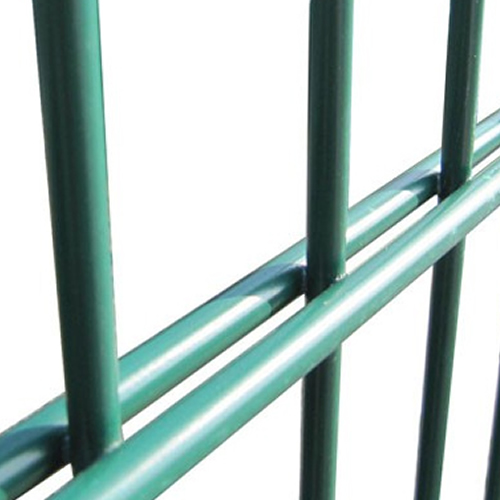
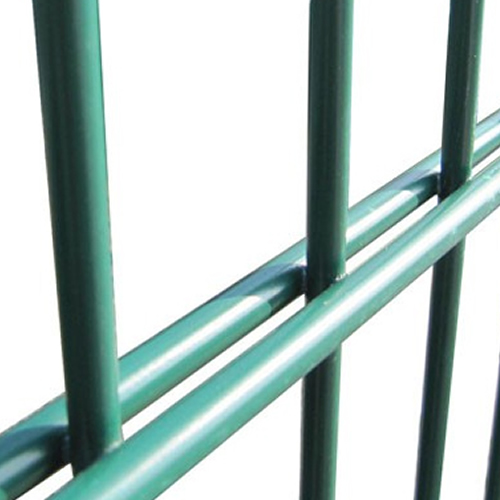
For the perimeter itself, 656 twin wire is the default and it is the default for good reasons. The 200 x 50mm aperture gives almost nothing to stand on, the twin-wire construction means the panel is rigid without a chunky frame, and it reads as a tidy boundary rather than a defensive one.
2.0m is usually enough. Go to 2.4m where the site backs onto open land, a park or an alley — anywhere entry after dark is easy and unobserved.
The school default
Roll top where children are against the fence
On the perimeter, panel edges are three metres away from anyone. Around a pitch, a MUGA or a play area they are not — children lean on it, run into it and put fingers through it.
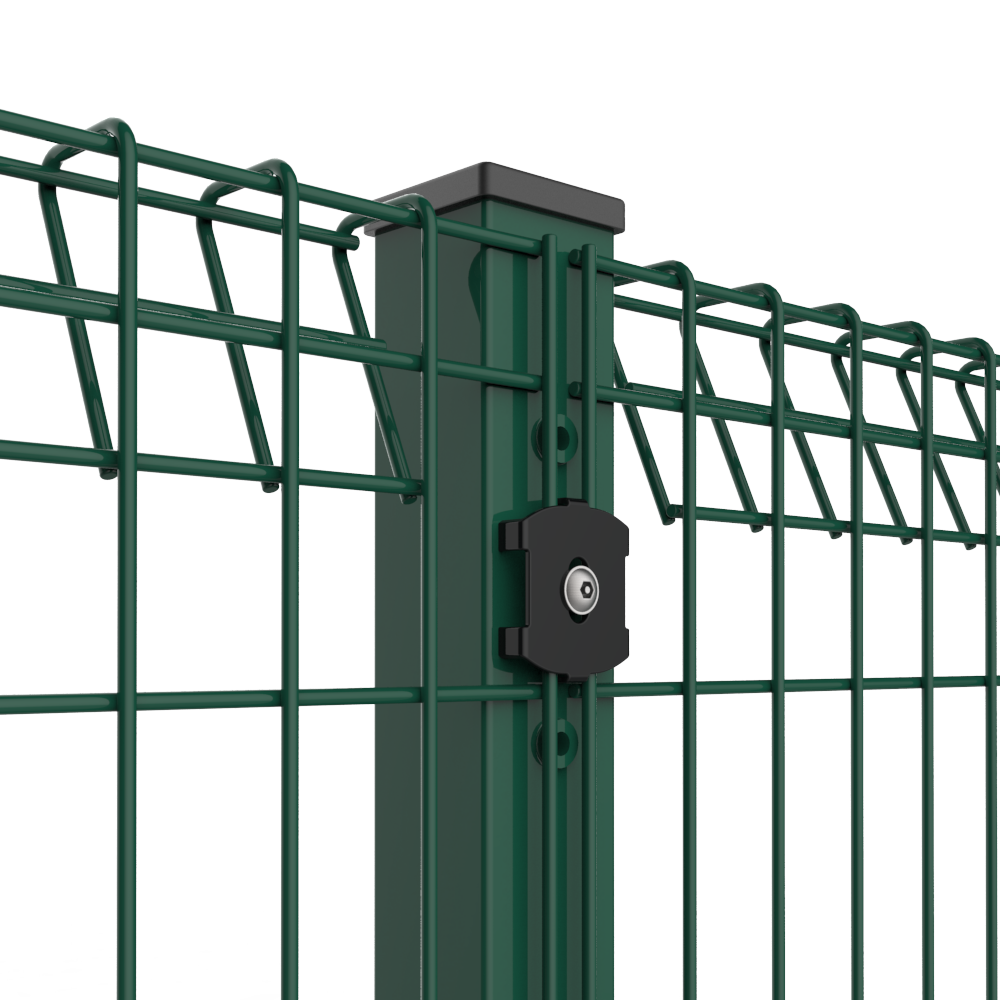
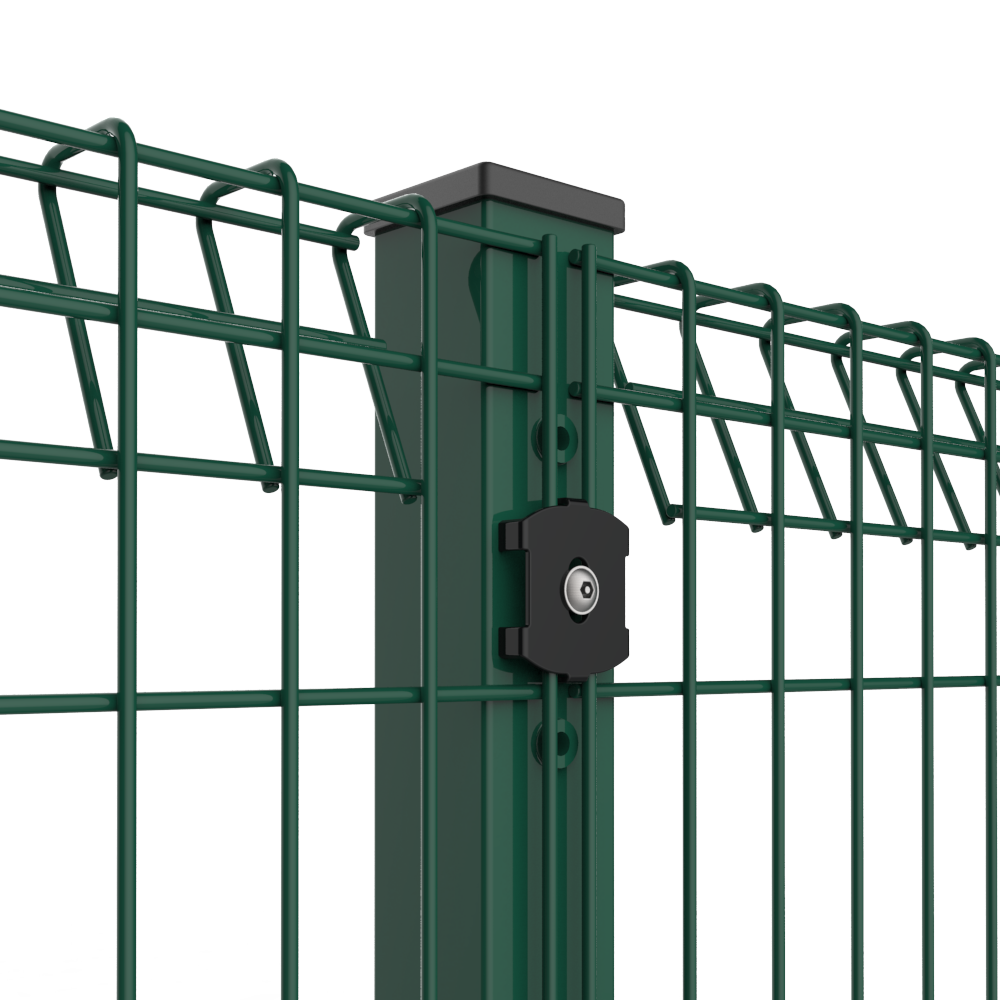
Roll top mesh curls the top and bottom edges into a tube, which removes the cut wire ends entirely and stiffens the panel at the same time. It is the specification for anywhere the fence is part of the play space rather than the boundary of it. A ball comes off it cleanly too, which matters more than it sounds.
For pitches and play areas

Don't put razor wire on a school
It comes up, usually after a break-in, and it is a bad idea. A school boundary is reachable by children almost by definition, and an occupier owes a duty of care even to a trespasser — which is exactly what a fourteen-year-old climbing in at nine on a Friday night is.
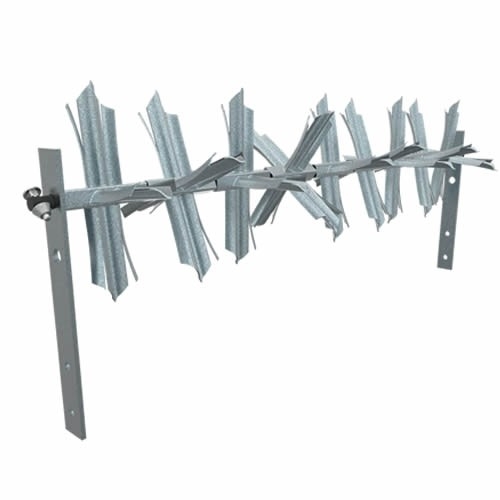
Where a topping is genuinely needed, rotating spikes deter climbing by removing anything to grip rather than by cutting. They will not injure someone who touches them, which is the difference that matters here.
If a topping is needed
Two things worth getting right at the quote stage
Sightlines
Specify mesh, then check nothing blocks it. A see-through boundary planted with a two-metre hedge is an opaque boundary that cost more.
What is stacked against it
Bin stores, PE equipment, planters and pallet stacks turn a 2.4m fence into a 1.4m one. This is the cheapest security improvement any site has available and it costs nothing but a conversation with the caretaker.
What about palisade?
Palisade is a stronger fence and a cheaper one to repair, and on the back boundary of a site — behind the sports hall, along the service yard, where nobody is looking at it — it is a perfectly sensible choice. What it should not be is the fence along the road with the school name on it.
Products in this article
Frequently asked questions
- What is the best fencing for a school?
Rigid twin wire mesh, usually 656 at 2.0m or 2.4m, for the perimeter — it is secure, see-through and does not read as hostile. Roll top mesh around pitches and play areas, where the curled edges remove any exposed wire ends.
- How high should a school fence be?
2.0m is enough for most sites; 2.4m where the boundary backs onto open land, a park or an alleyway where entry after hours is easy and unobserved. Above that, height stops adding much and what is stacked against the fence matters more.
- Can you put razor wire on a school fence?
It is legal but it is a poor idea. A school boundary is by definition reachable by children, and an occupier owes a duty of care even to trespassers. Rotating spikes give a climbing deterrent without an injury risk and are the appropriate choice here.