


656 or 868 twin mesh: which to specify
The numbers are wire diameters. 656 is the general commercial and school specification; 868 is heavier and takes far longer to cut, for boundaries that get attacked.
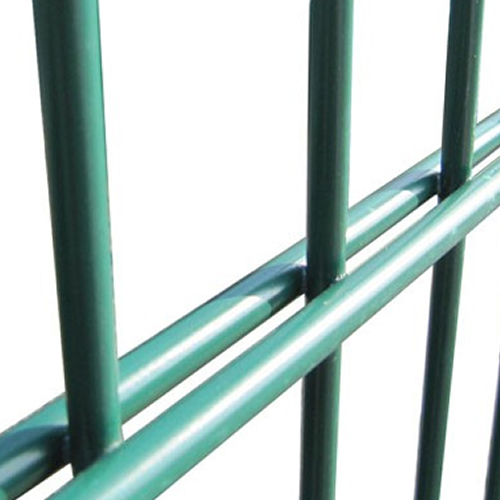
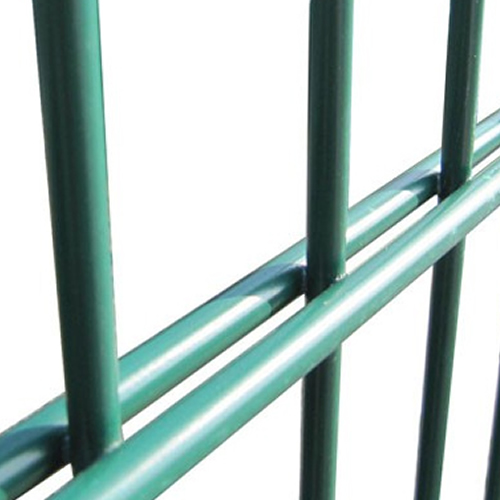
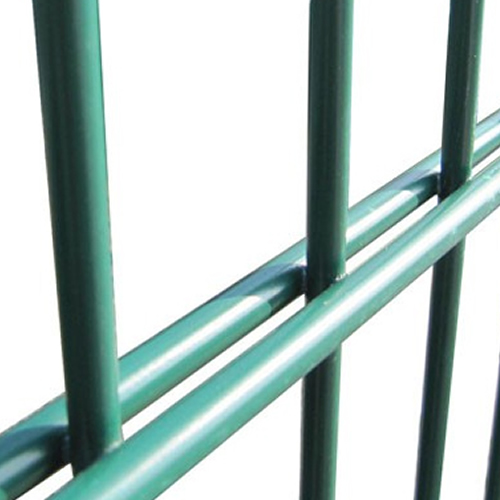
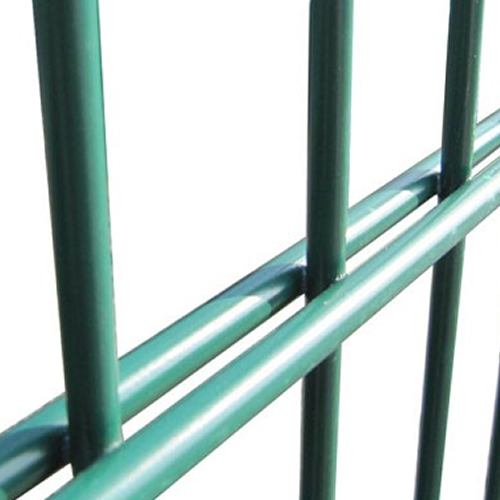
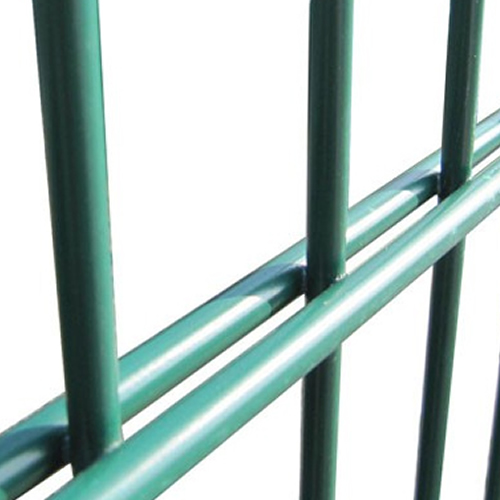
Twin wire mesh — sometimes called twin bar or 3D mesh — puts two horizontal wires either side of each vertical wire instead of one. That sandwich is what makes the panel rigid without a frame, and it is why twin wire has largely replaced older welded panel systems on commercial and school boundaries.
The names are just the wire diameters. 656 is a 6mm horizontal, 5mm vertical, 6mm horizontal sandwich. 868 is 8mm, 6mm, 8mm. Same 200 x 50mm aperture, same 3m panels, same fixings — the only variable is how much steel is in it.
656 against 868
| 656 | 868 | |
|---|---|---|
| Horizontal wires | 6mm, paired | 8mm, paired |
| Vertical wire | 5mm | 6mm |
| Aperture | 200 x 50mm | 200 x 50mm |
| Panel width | 3m | 3m |
| Heights stocked | 1.2m, 1.8m, 2.0m, 2.4m | 2.0m, 2.4m |
| Resistance to cutting | Good | Considerably better |
| Typical use | Schools, commercial, public realm | Compounds, utilities, targeted sites |
656: the default
For most commercial and education work, 656 is the right answer and the one we sell most of. It is rigid enough to stand without a frame, it looks clean, and it resists casual climbing well — the 50mm gap between horizontals gives very little to stand on.
Schools in particular tend to land here: it is secure enough for a boundary that is mainly about keeping people out after hours, and it does not read as hostile in the way palisade does. We stock it from 1.2m up to 2.4m.
868: when the fence gets attacked
Step up to 868 when the realistic threat is somebody with tools rather than somebody climbing. The heavier horizontals take substantially longer to cut, and the stiffer panel resists being levered or pushed out of shape at the fixings.
It is the sensible specification for compounds, plant storage, utility sites and anywhere there is a history of the fence being breached rather than just crossed. We stock it at 2.0m and 2.4m.
When to skip both
Twin wire is a commercial specification, not a high-security one. If the boundary protects cable, transformers or anything a determined thief would bring a grinder for, neither 656 nor 868 is enough — that is 358 prison mesh territory, where the aperture itself is the defence.
And at the other end, if the job is enclosing a boundary tidily rather than securing it, uniform mesh does it for less.
Either side of twin wire

Panels and posts on their own
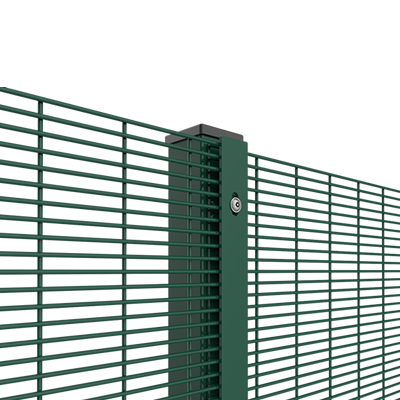
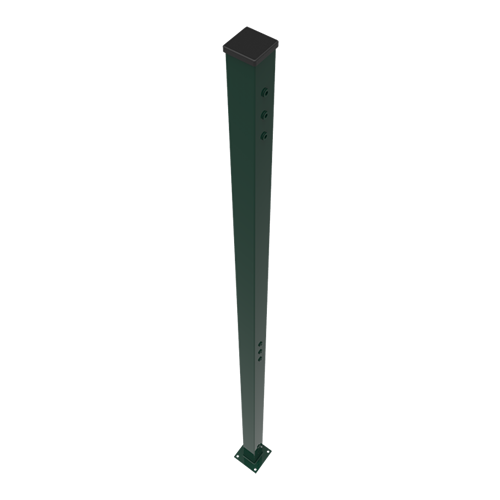
Both systems are stocked as complete bays and as separate panels and posts, so a damaged panel is a like-for-like replacement rather than a rebuild. Posts are shared across the twin mesh range.

Products covered in this guide
Frequently asked questions
- What do the numbers in 656 and 868 mesh mean?
They are wire diameters in millimetres, in the order horizontal, vertical, horizontal. 656 mesh has paired 6mm horizontal wires either side of a 5mm vertical; 868 has 8mm horizontals and a 6mm vertical. Both use the same 200 x 50mm aperture.
- Is 868 mesh better than 656?
It is heavier and takes considerably longer to cut, so it is better where the fence is likely to be attacked with tools. For ordinary commercial and school boundaries 656 is the usual specification and the extra steel is not buying much.
- What height twin wire mesh do schools use?
Most commonly 2.0m or 2.4m in 656. It is secure enough for an out-of-hours boundary without reading as hostile, and the see-through panel means the site can still be supervised from outside.