


How much palisade fencing do I actually need?
Divide the run by 2.75 and round up. That gets you the bay count — the part people get wrong is everything else on the order, particularly the corners and the fixings.
Palisade quantities are simple arithmetic and people still get them wrong, because the bay count is the easy bit and everything else on the order is where the job stalls.
Bays first
A bay is 2.75m. Measure the run, divide by 2.75, round up. A 60m boundary is 21.8 bays, so 22. The last bay gets closed out by cutting the rails down — they are pre-drilled but they cut.
Posts are bays plus one. Twenty-two bays needs 23 posts, because the first bay needs a post at both ends and every bay after that only adds one. This is the mistake we see most often, and it is always the last post that is missing on a Friday afternoon.
Then the corners
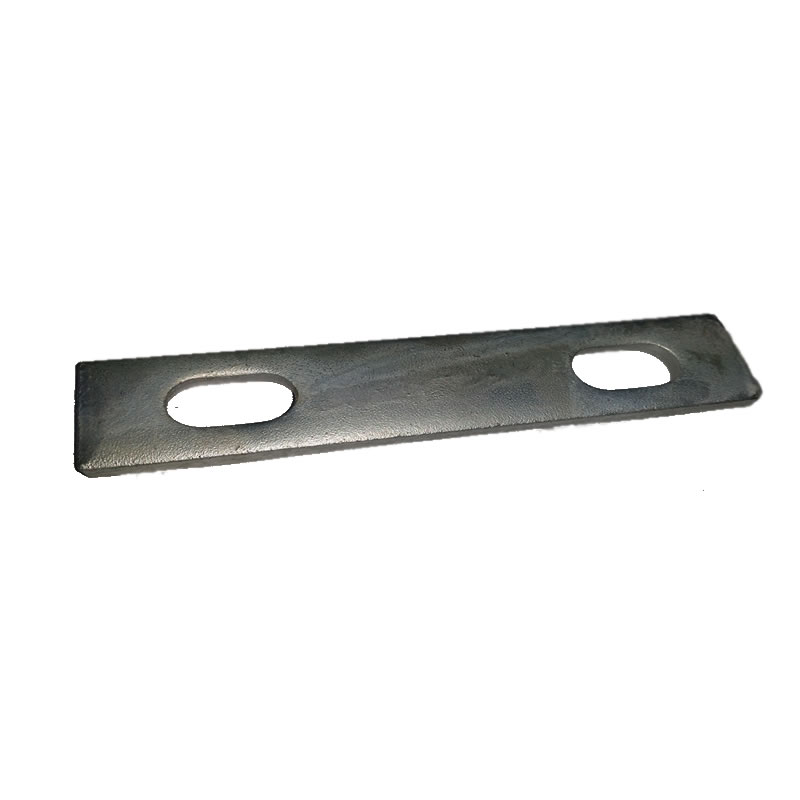
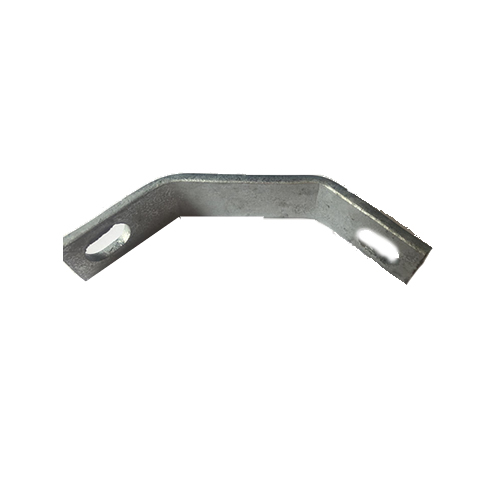
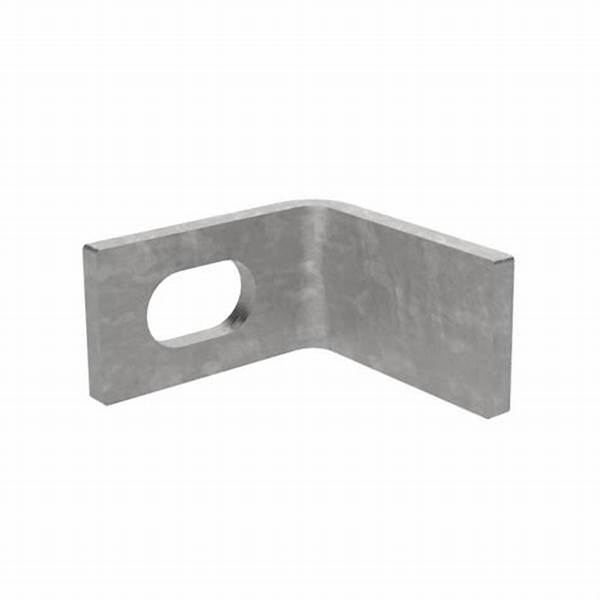
Walk the run and count the direction changes. Every right-angle turn needs corner fish plates rather than standard ones, and every point where the fence terminates needs end fish plates — two of them, one for each rail. Ordering a run's worth of standard fish plates and then discovering the corner will not go together is a genuinely common way to lose half a day.
Fish plates, three types
Then the fixings
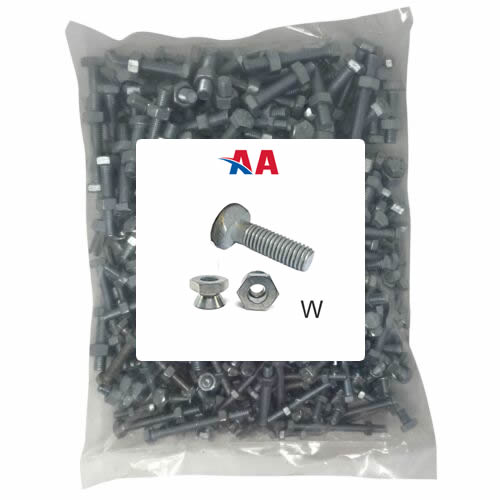
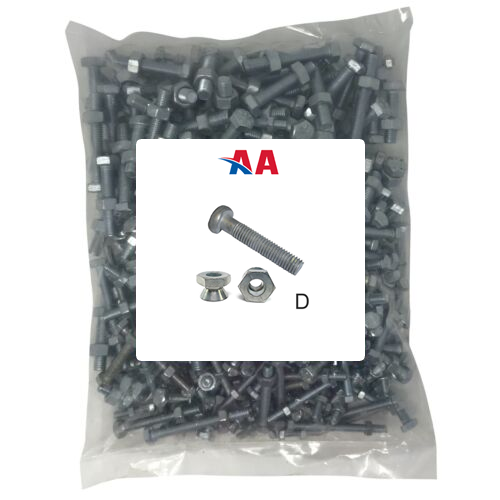
Rails and pales do not come with bolts. Each bay needs 34 M8 bolts and 34 M8 snap-off nuts for the pales, plus 4 M12 for the fish plates — which is exactly what a bay bag contains, so the simplest approach is one bay bag per bay.
Get the section right. W section pales take W section bolts and D section take D section, and they do not interchange.
Then the gates
Take the gate openings out of the run before you count bays. A 6m double gate is not two bays and a bit — it is a gate, with its own posts, and the fence starts again on the other side of it.
When to buy a kit instead
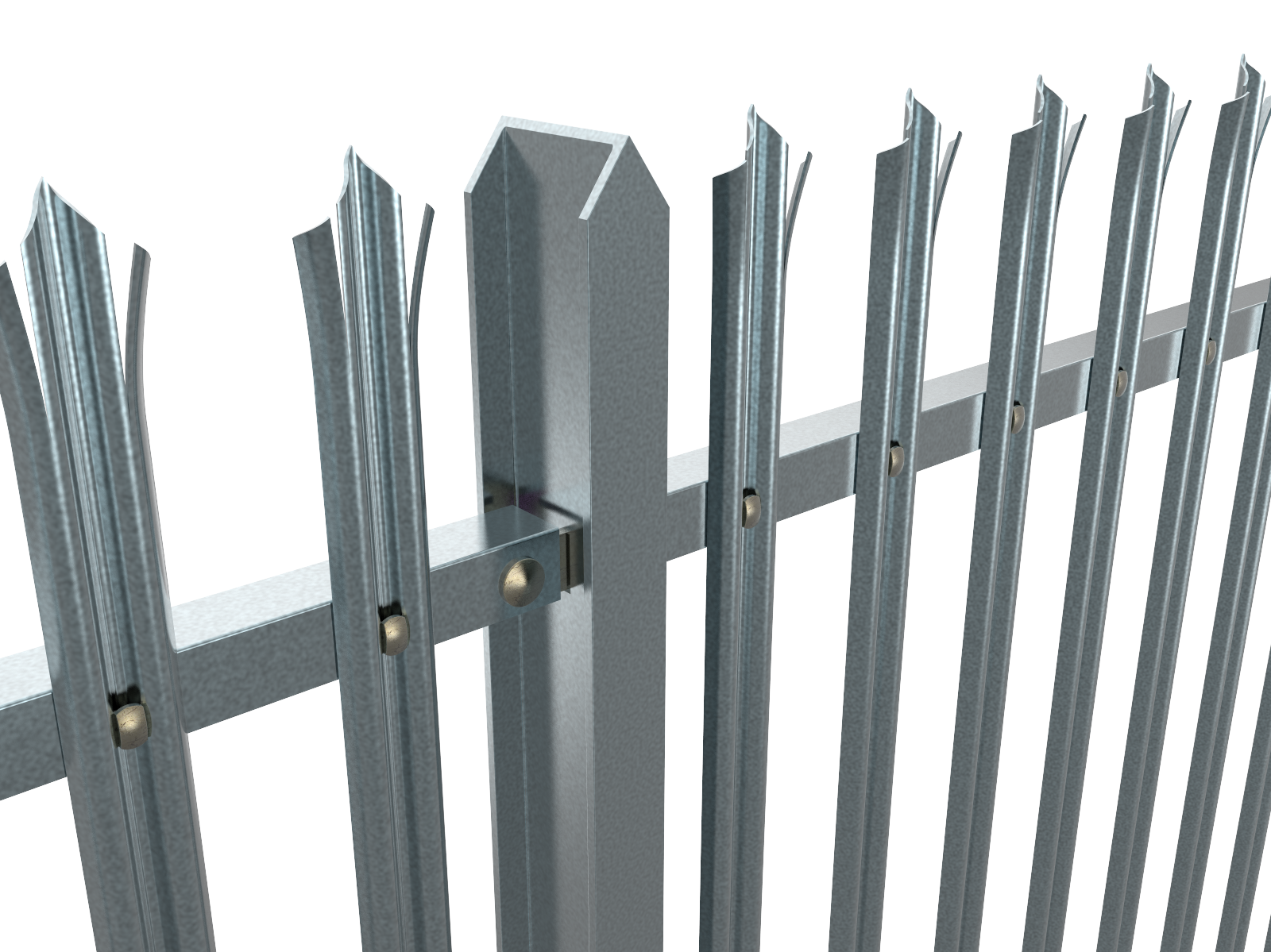
Past about 50 bays the kits are simpler than counting. A 50-bay kit covers roughly 137m and a 100-bay kit roughly 275m, with every component matched and supplied as one order. On a contract job that is one delivery and one line on the invoice rather than a parts list you have to check.
Kits
The bits nobody counts
- Support feet where the ground falls away mid-bay.
- Thunder bolts if any of the posts are base-plated.
- Concrete — more than you think, at 2.4m and above.
- Somewhere to put it. A 100-bay kit is a lot of steel and it arrives on pallets.
Send us the run length, the height and a rough sketch with the corners and gate positions on it and we will price the lot properly. It takes five minutes and it beats finding out on site.
Products in this article
Frequently asked questions
- How many bays of palisade do I need for a 100m fence?
Thirty-seven. A bay is 2.75m, so 100 divided by 2.75 is 36.4 — round up to 37, and cut the rails down on the last bay to close the run out. You will need 38 posts, because a run needs one more post than it has bays.
- How many posts do I need for a palisade run?
One more than the number of bays. The first bay needs a post at each end and every bay after it adds one. This is the most common thing left off a palisade order.
- Do palisade rails and pales come with bolts?
No. Fixings are ordered separately, or as a bay bag which contains exactly one bay's worth — 34 M8 bolts, 34 M8 snap-off nuts, 4 M12 bolts and 4 M12 snap-off nuts. Bay bags come in W section and D section versions.