


What's in a palisade bay and how it bolts together
One post, two rails, seventeen pales, two fish plates and 38 bolts. What each part does, what order it goes on in, and which bits people forget to order.
Palisade goes together the same way at every height, and once you have built one bay you have built all of them. Here is what each part is and where it goes.
The parts
Post
A 100mm x 55mm RSJ — a rolled steel I-beam — galvanised, with the fish plate holes already drilled. Each post is supplied with two fish plates and four M12 nuts and tamper-proof bolts. The post is longer than the fence height to allow for digging in, or cut and base-plated if you have specified bolt-down.
Rails
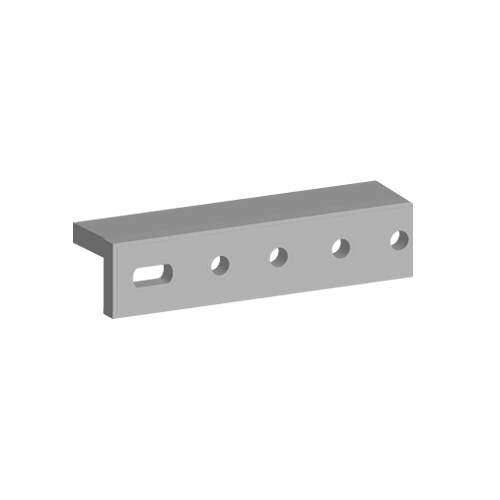
Two per bay, top and bottom, and the same rail regardless of fence height. Each comes pre-drilled: an M12 hole at each end to bolt through the fish plates, and 17 holes along its length for the pales. They can be cut down to shorten a bay where the run does not divide evenly into 2.75m. Rails do not come with fittings — order those separately or as a bay bag.
Fish plates
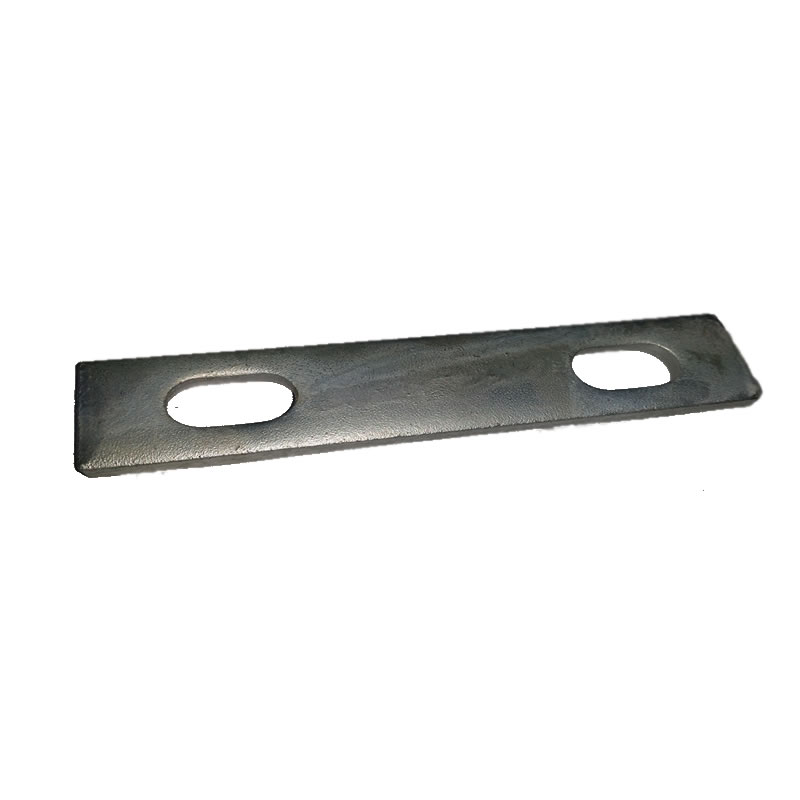
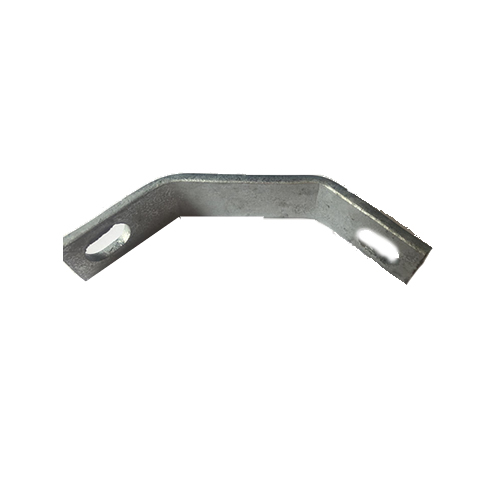
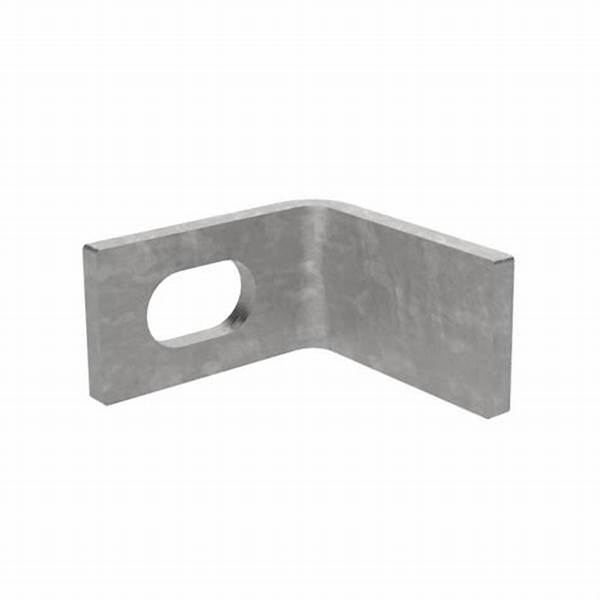
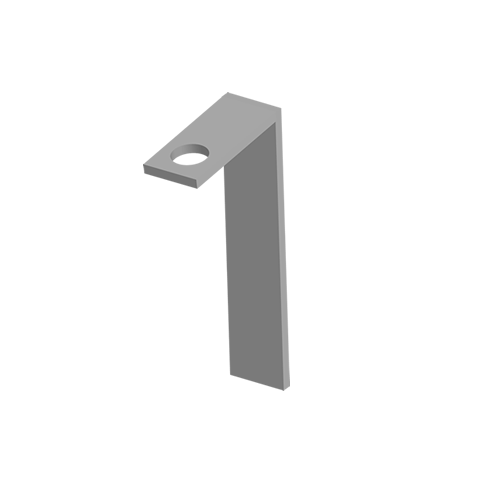
The plate that joins the rails to the post, bolting through the pre-drilled slots. Three types, and you need to know which before you order: standard for a straight run, corner where the fence turns a right angle, and end where the rail terminates at the last post. An end needs two — one for the top rail and one for the bottom.
Pales
Seventeen per bay, bolted through the rails with M8 bolts and snap-off nuts. They come 50mm shorter than the nominal fence height so there is clearance at the bottom.
Snap-off nuts
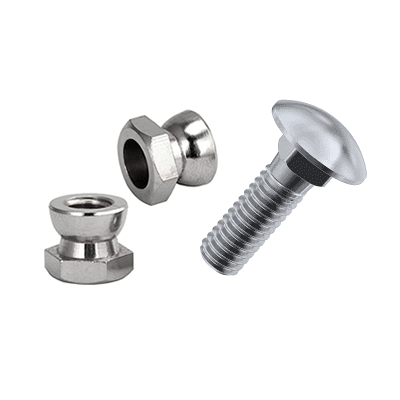
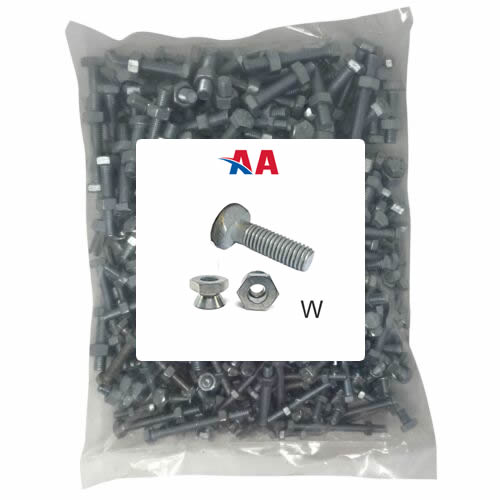
The reason a palisade fence cannot be quietly unbolted from the outside. The hex head shears off as you tighten it, leaving a smooth cone with nothing for a spanner to grip. Every M8 and M12 fixing on the fence uses them.
-1714586834006.png)
The order it goes on in
- Set the posts — dug in and concreted, or bolted down to a prepared base.
- Bolt the fish plates to the posts through the pre-drilled slots with the M12 fixings.
- Bolt the top and bottom rails to the fish plates, four M12 per bay.
- Hang the pales, working along the rail, 34 M8 bolts and snap-off nuts per bay.
- Tighten the snap-off nuts last, once everything is in line — because once they shear, adjusting is a grinder job.
Parts people forget
- Fixings. Rails and pales do not include them. One bay bag per bay covers it — in the right section.
- Corner and end fish plates. Easy to order a run's worth of standards and then find the corner will not go together.
- Support feet, where the ground falls away mid-bay and the bottom rail needs propping.
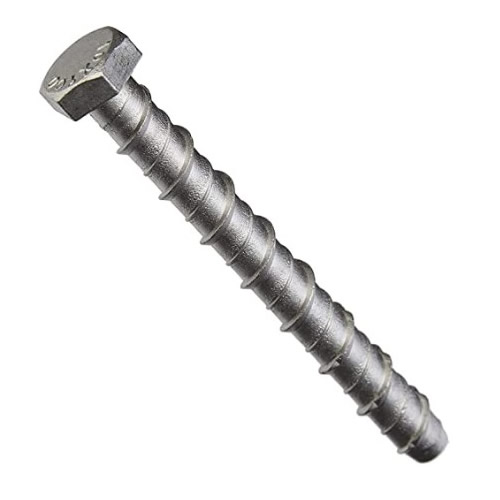
- Thunder bolts, if the posts are base-plated rather than dug in.
The bits that get forgotten
Repairs
This is where bolted construction pays off. A vehicle strike or a break-in attempt takes out a few pales and maybe a rail, and every one of those is a stock item at every height. You are not replacing a panel, and you are certainly not replacing a post — you undo the damaged pales and bolt new ones on.
Products covered in this guide
Frequently asked questions
- What is in a bay of palisade fencing?
One 100mm x 55mm RSJ post, two rails, 17 pales, two fish plates, four M12 nuts and bolts and 34 M8 nuts and bolts. A bay is 2.75m wide and the parts list is the same at every height.
- What are fish plates used for on palisade fencing?
They join the rails to the posts, bolting through slots pre-drilled in the post with M12 fixings. Three types: standard for a straight run, corner for a right-angle turn, and end where the rail terminates — an end position needs two, one for each rail.
- What are snap-off nuts?
Nuts with a hex head designed to shear off as they are tightened, leaving a smooth cone that cannot be gripped with a spanner. They are what stops a palisade fence being unbolted from the outside. Tighten them last, because once sheared they only come off with a grinder.
- Can palisade bays be made narrower than 2.75m?
Yes. The rails are pre-drilled but can be cut down to shorten a bay, which is how a run that does not divide evenly into 2.75m gets closed out.