


Razor wire, spikes and anti-climb toppings: what goes on top of a fence
A topping buys time, it does not make a fence unclimbable. Razor wire, barbed wire, wall spikes and rotating spikes each suit a different boundary — here is how to pick.
A fence keeps honest people out. A topping is what you add when you are worried about the other sort. None of it makes a boundary unclimbable — what it does is make getting over slow, noisy and unpleasant enough that most people go and try somewhere else, and give you time to react if they don't.
Which topping is right depends far less on how secure the site is than on who walks past it. That is the decision most people get wrong.
The four options, briefly
- Razor wire — steel tape stamped with blades, coiled or flat. The strongest deterrent and the strongest legal headache. Compounds and yards, not street frontage.
- Barbed wire — cheap, familiar, strung in strands. Slows a climber rather than stopping one. Agricultural boundaries and the tops of yard walls.
- Wall spikes — a strip of pressed steel spikes bolted along a wall coping. Discreet from the ground, and the usual answer where razor wire would be excessive.
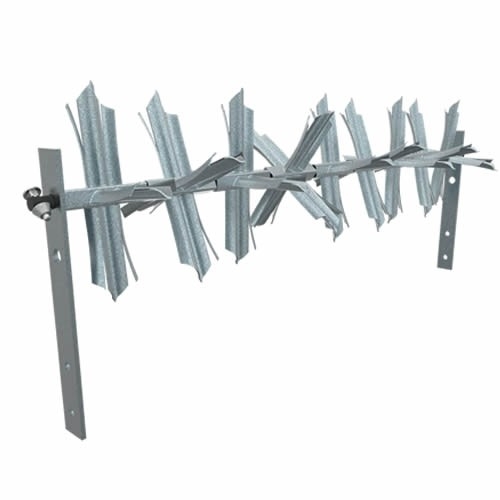
- Rotating spikes — spiked collars that spin on a bar, so there is nothing to grip. The one topping that deters without being designed to injure.
Picking by boundary
| Topping | Best for | Watch out for |
|---|---|---|
| Concertina razor wire | Secure compounds, depots, substations | Overhangs the line — needs clearance and signage |
| Flat razor wire | Boundaries with a footpath alongside | Still razor wire — same duty of care applies |
| Barbed wire | Agricultural and rear boundaries | Restricted where it adjoins a highway |
| Wall spikes | Yard and garden walls | Only works on a wall with a flat coping to bolt to |
| Rotating spikes | Anywhere the public can reach | Costs more per metre than wire |
Razor wire
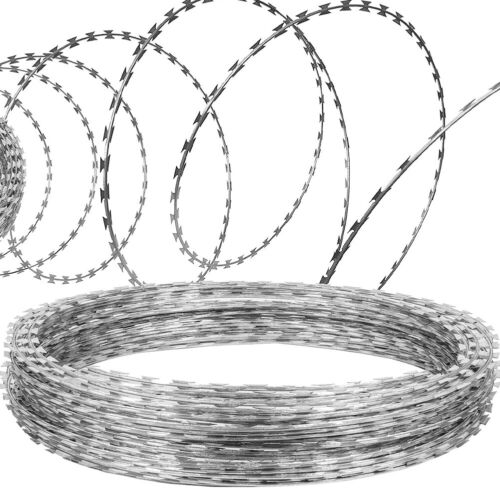
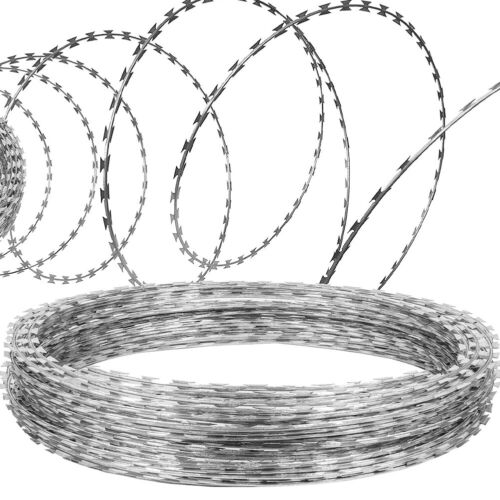
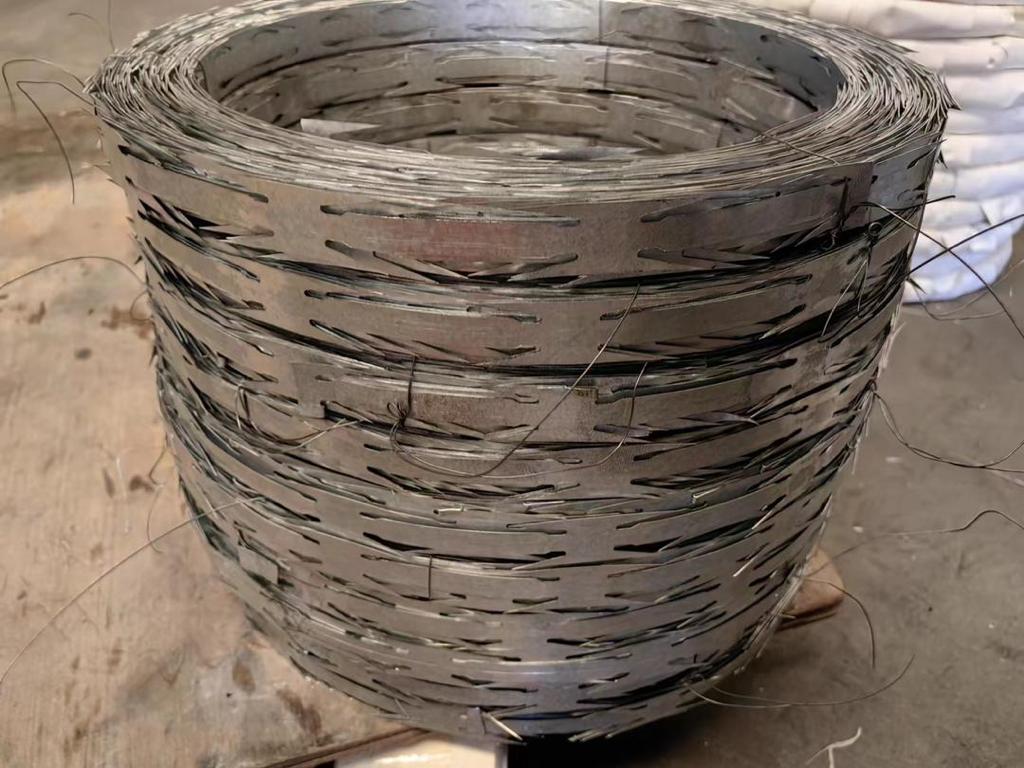
Razor wire is barbed tape: a steel strip stamped with blades, wrapped around a core wire. Despite the name it is not razor sharp, and it is not meant to be — the blades are shaped to catch clothing and skin and hold on, which is what makes climbing through it so slow. That psychological effect does most of the work. Very few people who see it decide to find out.
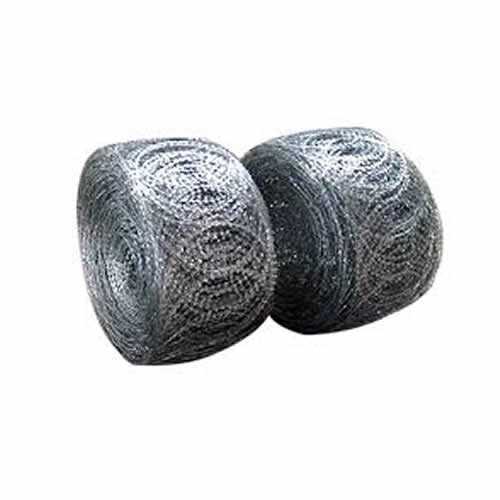
It comes two ways. Concertina is the coil everyone pictures, supplied compressed and stretched out along the fence line — we stock it in 450mm and 630mm coil diameters, both in 10m rolls. The bigger the coil, the wider the barrier and the harder it is to reach past. Flat razor wire is a newer format that sits in the plane of the fence instead of bulging out from it, which matters when there is a pavement on the other side. It ships compressed and opens to roughly 10m, in 500mm and 700mm widths.
Razor wire in stock
Barbed wire and barbed tape
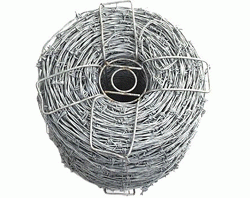
Barbed wire is strands of galvanised wire with barbs at intervals, run through straining posts or along cranked arms at the top of a fence. It is the cheapest topping there is and the easiest to put up without specialist kit, which is why it is everywhere on farms. As security it is modest — three strands slow a climber down, they do not stop one.
Barbed tape sits between the two: the blade profile of razor wire, supplied flat on a 100m roll rather than as a coil, so it is run in lines like barbed wire. It is a sensible upgrade where barbed wire is not deterring anyone but a full concertina coil would be over the top.
Wall spikes
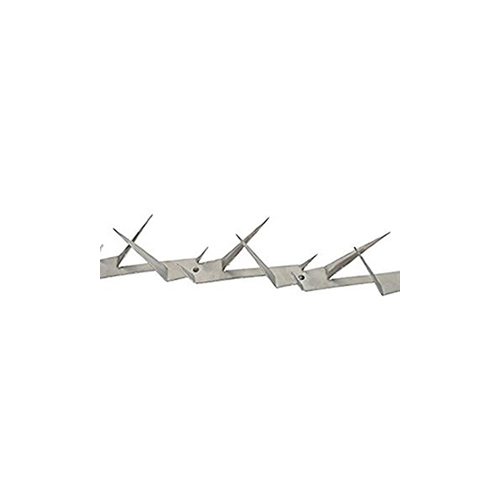
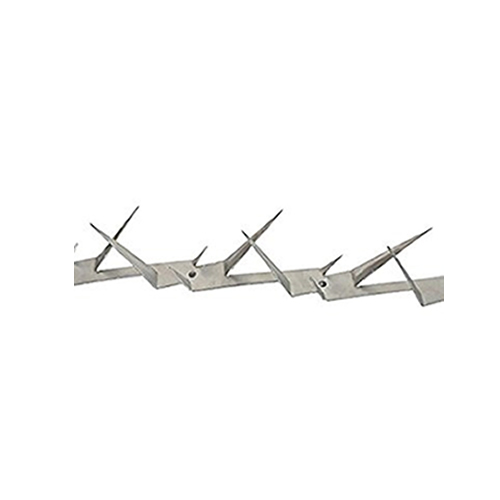
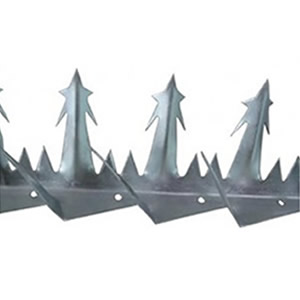
Wall spikes are pressed steel strips that bolt flat onto a wall coping, with the spikes ribbed for stiffness and angled outward. From street level they read as a detail rather than a fortification, which is their main advantage over wire — they secure a wall without making a building look like a depot.
We stock three grades, all in 1m and 1.2m lengths. Small has 65mm spikes and is a visual deterrent on a domestic wall. Medium steps up to 85mm. Large is the serious one: 2mm steel, 115mm barbed spikes in an outer row that can overhang the edge of the wall, and a thinner stiletto-profile inner row designed to go through a boot sole.
Wall spikes
Rotating spikes
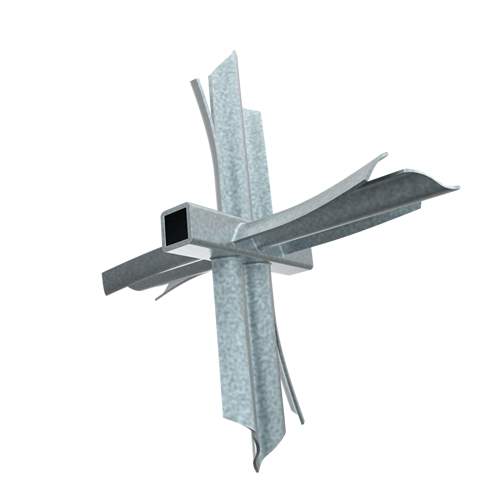
Rotating spikes are our own product, made here at AA Fencing. Spiked collars thread onto a 20mm round bar mounted above the fence or wall; put weight on them and they spin, so there is nothing to pull against. The point is that they defeat a climber by mechanics rather than by injury — they will not cut someone walking past, and that changes the risk picture completely on a boundary the public can touch.
Sets are made to order in 2.75m sections, each supplied with 18 spikes, the 20mm bar and a 50x50x5 galvanised angle bracket. Tell us whether it is going on a wall, a roof edge, palisade or mesh and we build the bracket to suit. Individual collars are available separately for extending an existing run — each one stands 340mm overall on a 150mm square collar.
Rotating spikes
Brackets, fixings and gloves
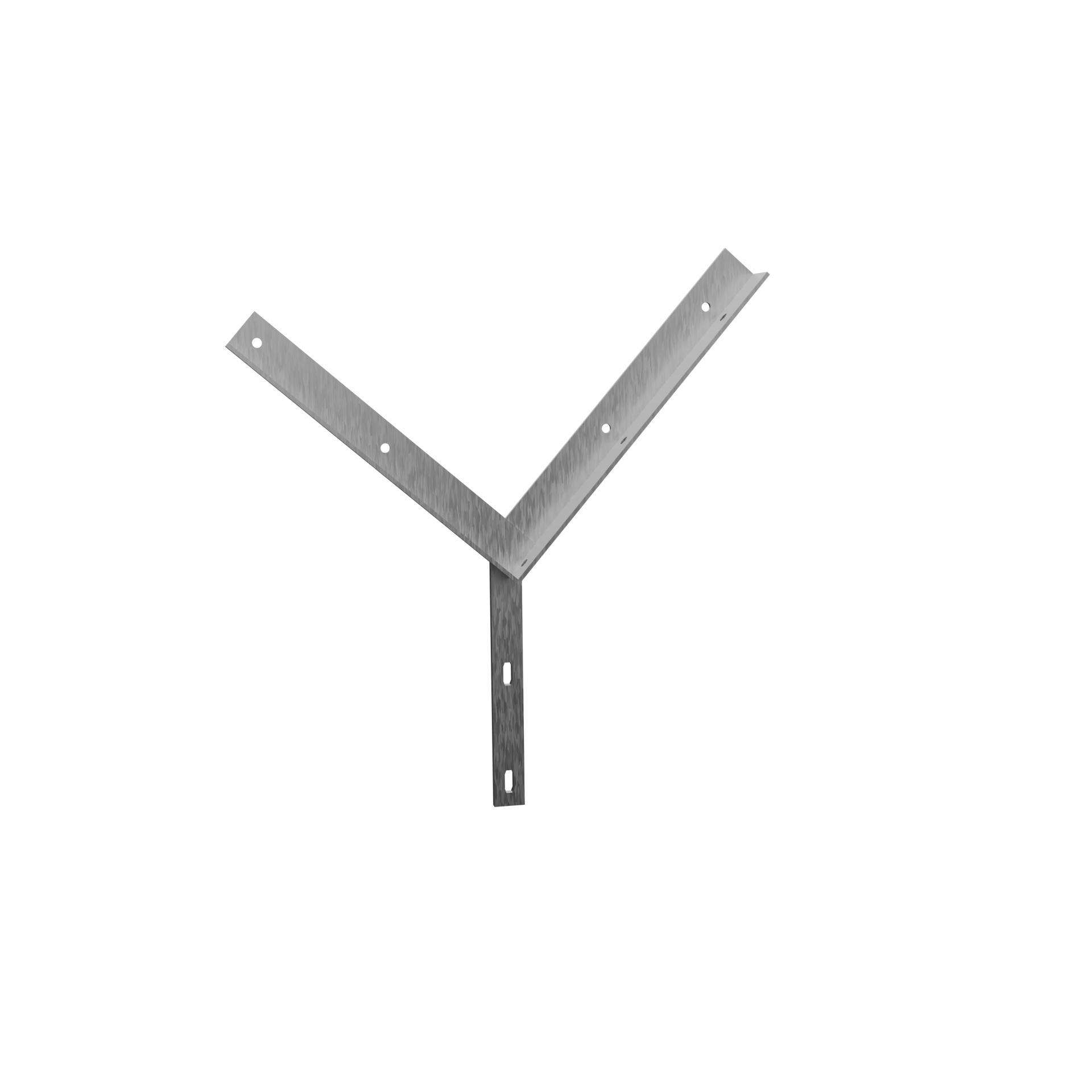
Wire needs something to sit on. Straight razor wire brackets are galvanised 50x50x5 angle, 420mm by 420mm, and carry a coil directly above the fence line. Y brackets split the run into two arms so a coil can be canted inward, outward or both — the classic prison-style profile, and the right choice where you want the barrier to sit over the approach rather than over your own yard.
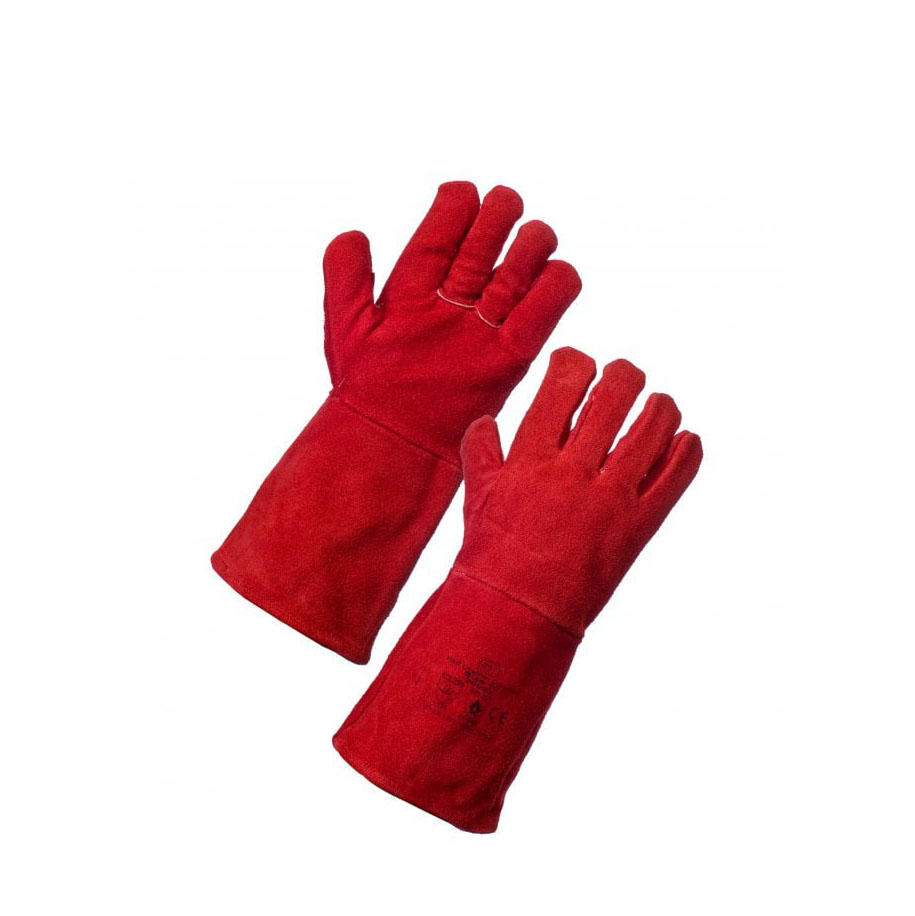
Gauntlets are not optional. Razor wire is supplied under compression and unrolls with force; every roll we sell goes out with the same advice, which is that you handle it with proper razor wire gloves or you do not handle it at all.
Fitting kit
-1704879563980.jpg)
Working out quantities
Concertina razor wire is quoted by the length of the roll, not the length it covers. A 10m roll stretches to cover roughly 10m of fence when it is tensioned properly for security work — pull it further and the coils open up into gaps a climber can work through, which defeats the object. Order to the run length plus a little for corners and returns, and allow one bracket per post.
Wall spikes are simpler: measure the coping and divide by the length you are buying. Buy a little over — you want a continuous line, because a gap at a corner is exactly where someone will get up.
Products covered in this guide
Frequently asked questions
- Does razor wire actually stop people getting over a fence?
It slows them down substantially rather than stopping them outright. Razor wire is designed so that getting through it without tools takes a long time and does real damage in the process, which both deters the attempt and buys time for a response. Anyone treating it as a guarantee has misunderstood what a topping is for.
- What is the difference between razor wire and barbed wire?
Barbed wire is wire with barbs crimped on at intervals; razor wire is a steel tape stamped with blades and wrapped around a core wire. Barbed wire can be climbed through fairly quickly with gloves and care, which is why razor wire replaced it on high-security sites. Barbed wire is far cheaper and is still the right answer on agricultural and rear boundaries.
- What is the best fence topping for a boundary the public can reach?
Rotating spikes. They defeat a climber by removing anything to grip rather than by cutting, so they do not create the injury risk that razor wire or barbed wire does on a boundary passers-by can touch. Where a wall needs something lower-profile, wall spikes bolted well back from the outer face are the usual alternative.
- How high should razor wire be fitted?
At least 2.4m above ground level, measured on both sides of the boundary, with warning signs along the run. There is no statute setting that height, but it is the accepted standard and the benchmark a court would use to judge whether an occupier took reasonable care.