


What railway sleepers are actually good for
Raised beds, terraces, edging, steps and low retaining walls. Where sleepers earn their money, and the two jobs people give them that they are wrong for.
Sleepers turn up in every garden centre and half of them get used badly. They are a genuinely good product for a fairly narrow set of jobs, and a slow expensive mistake outside it. Here is the honest split.
Raised beds
This is what they are best at. One course of 195mm is already a usable bed edge, two is the depth most vegetables want, three gives you something you can sit on. The 95mm thickness means the timber is not going to bow under wet soil the way a board would, and at 2.395m a single sleeper does one whole side of a standard bed.
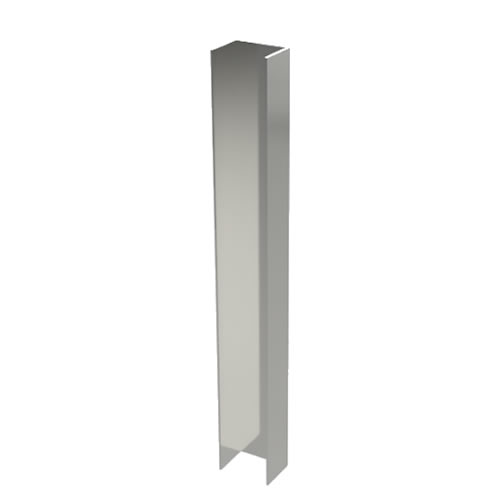
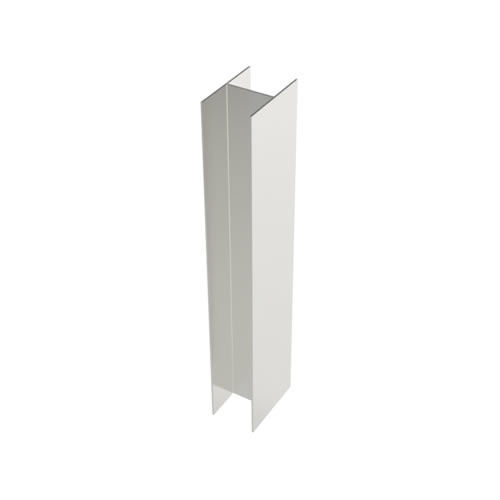
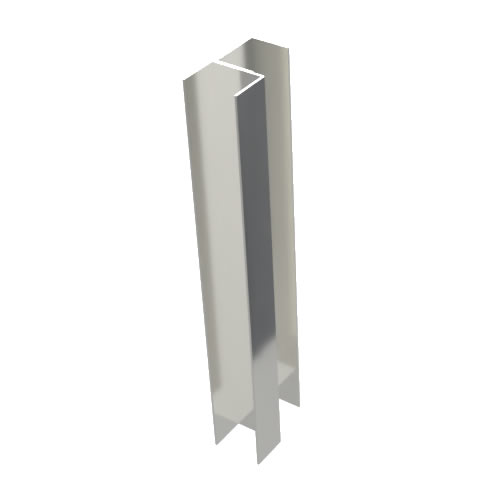
On a bed more than two courses high the corners want holding — that is where a corner post earns its keep rather than trying to make a butt joint carry the load.
Terracing a slope
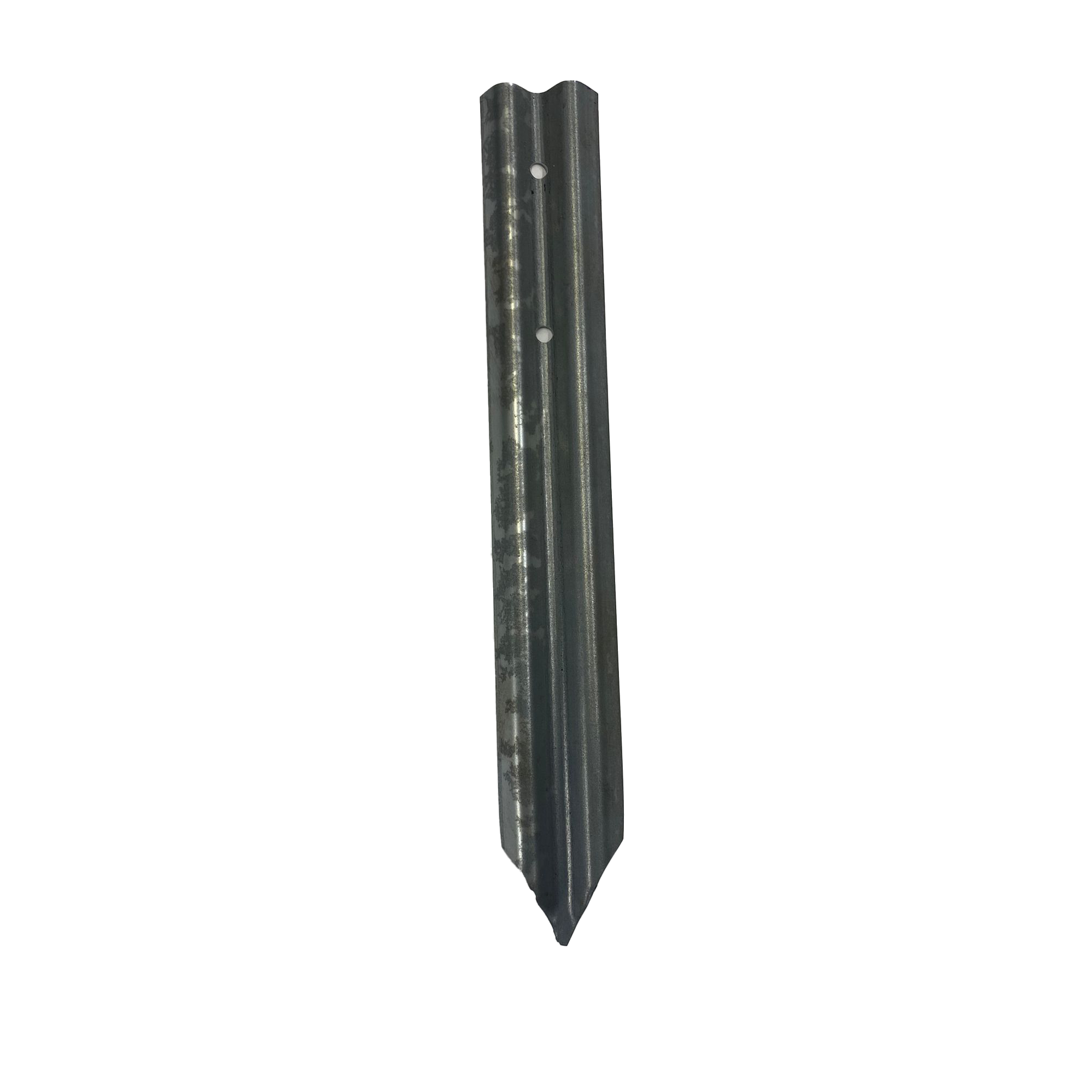
A garden that falls more than a metre across its length is far more usable as two flat areas than one sloped one, and a sleeper wall on steel posts is the cheapest honest way to do that. The channel posts do the structural work, the timber is just infill, and the whole thing goes in with a spade and a mixer rather than a bricklayer.
What a terrace wall needs
Edging, steps and paths
Laid flat on the ground and pinned, a sleeper makes an edge that will not move for twenty years. Sleeper pins driven behind the timber anchor it into the ground and stop the creep that eventually pushes gravel edging out into the lawn. Two sleepers stacked make a step riser of 390mm — a touch high for a comfortable stride, so most people use one at 195mm and set the treads to suit.
Low retaining walls
Up to about a metre of retained ground, on steel posts, with drainage behind — this is well-trodden ground and it works. Past that you are into structural territory: the load goes up faster than the height does, and the answer stops being 'a taller post' and starts being 'a designed wall'.
Green or brown
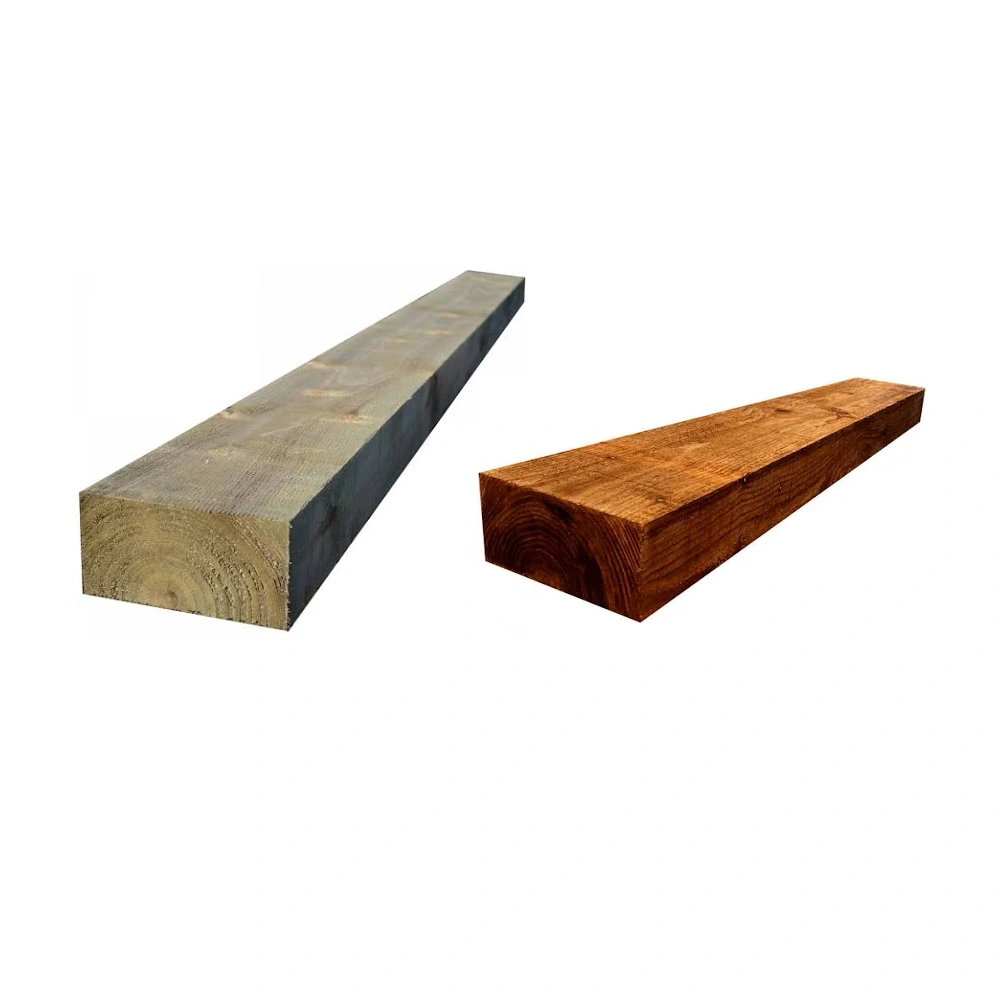
Purely a colour decision. Green is the raw tanalised shade and weathers to silver-grey over two or three years; brown carries a pigment and holds a stained-timber look for longer. Both are pressure treated to the same depth. Pick whichever disappears into the garden you have.
Frequently asked questions
- Are railway sleepers safe for vegetable beds?
Tanalised sleepers are pressure treated with modern preservatives rather than the creosote used on reclaimed track sleepers, and are widely used for beds. If you would rather the timber did not touch soil you are growing food in, line the inside face with a membrane.
- How long do tanalised sleepers last?
Decades in a well-drained wall. What shortens their life is standing water and soil packed against the timber with nowhere to drain, not the weather on the face.
- Should I choose green or brown sleepers?
Colour only — both are pressure treated the same. Green weathers to silver-grey, brown holds a darker stained look for longer.