


How to measure up a fence run before you order
Measure the line on the ground, not off the plan. Count the bays between fixed points, add a post for every corner and end, and fix gate positions before ordering — moving one afterwards means new posts.
Almost every fencing order that goes wrong goes wrong here, before anything is made. The good news is that measuring up properly takes an hour and needs nothing more than a tape, a phone camera and a walk of the line.
Walk the line, don't trust the drawing
Site plans are drawn flat and boundaries rarely are. Walk the actual route with a tape and note where the ground rises, where it is soft, and anything in the way — trees, drains, inspection covers, overhead cables. A run that measures 60 metres on the plan can need noticeably more material once it follows the ground.
Counting bays
Fencing is priced and supplied by the bay — one full span between two posts. Divide the run by the bay spacing for the system you are ordering and round up; the short leftover becomes a cut bay at one end. Bay centres differ between systems, so confirm the figure for what you are actually buying rather than assuming.
Posts are where the count goes wrong
A run of ten bays does not need ten posts. It needs eleven — and more than that once the line changes direction:
- One post at each end of every run.
- One post at every corner or change of direction.
- One post either side of every gate opening, and these are heavier than the standard line posts.
Counting posts as though they equal bays is the single most common shortfall on a delivery, and it stops the install dead because the run cannot be completed.
Gates before you order, not after
Gate positions need deciding at the measuring stage. Gate posts carry the weight of the leaf and are set deeper and heavier than line posts, so moving a gate after the fence is up means digging out and resetting posts. Check the opening width you actually need — a 2.4m palisade gate is a pedestrian and light-vehicle opening, not a delivery-lorry one.
Ground conditions and what goes in the hole
Posts are set in concrete, and the depth goes up with the height of the fence and down with the firmness of the ground. Order the fixing material with the fence rather than as an afterthought — running out of post mix halfway through a run wastes a day.
Setting the posts
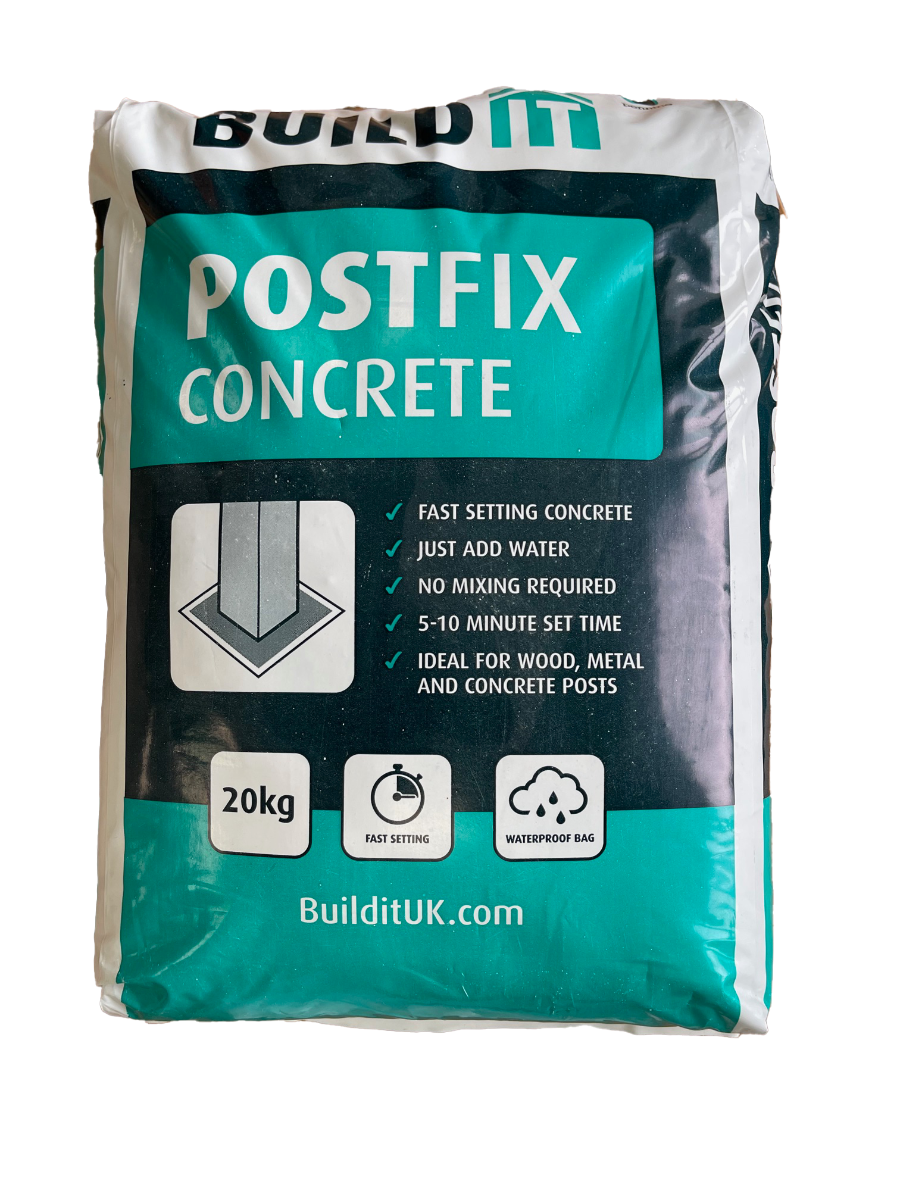
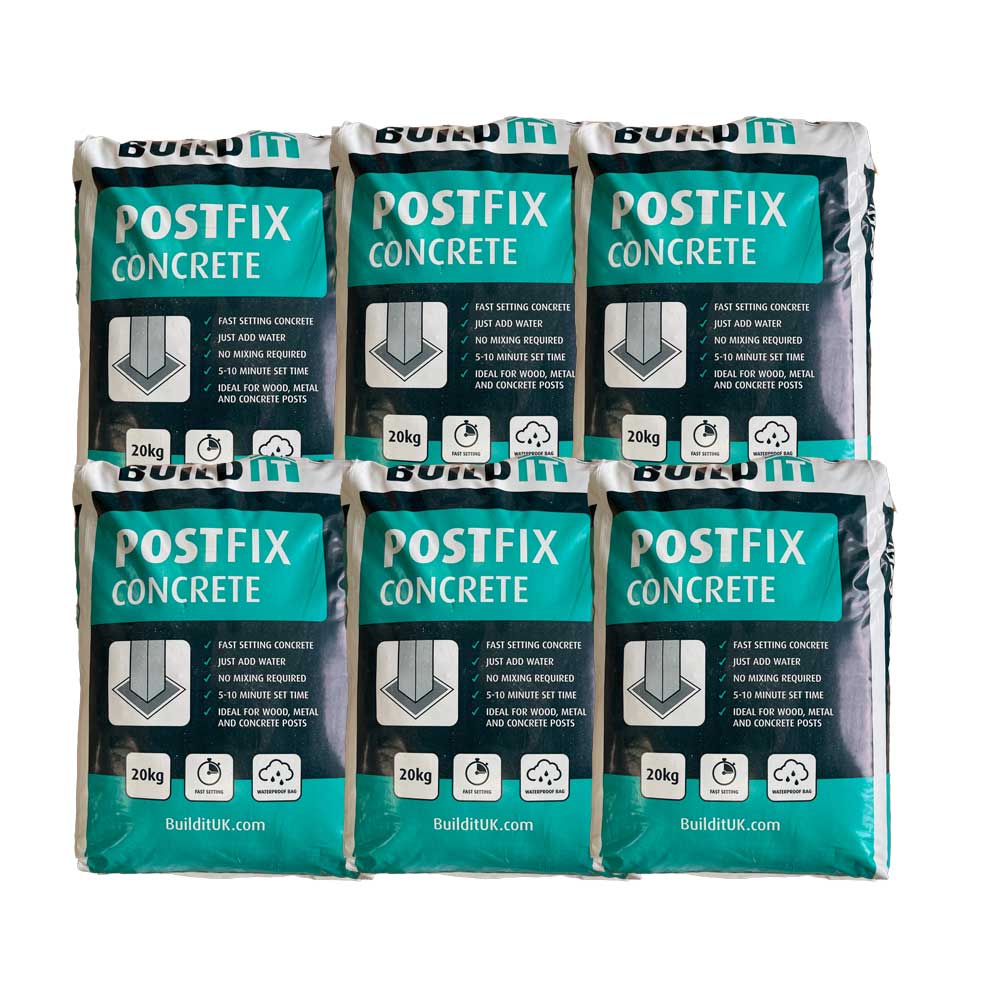
Send us the photos
If you are unsure, send the measurements and a handful of photos along the line. It takes us a few minutes to sanity-check a take-off, and it is a great deal cheaper than a second delivery.
Frequently asked questions
- How many posts do I need for a fence run?
One more than the number of bays, plus an extra post at every corner or change of direction, plus a pair of heavier posts at each gate opening. A straight ten-bay run needs eleven posts; the same run with two corners needs thirteen.
- Do I measure the fence line or the boundary?
Measure the line the fence will actually sit on. If you are fencing inside your boundary — which is normal, so the fence and its footings stay on your land — that line is slightly shorter than the boundary itself on a run with corners.
- What if my fence run is on a slope?
Tell us before you order. Rigid mesh panels step down a slope and leave gaps beneath them, which may need infill or raking posts. Palisade can be built to follow the ground more closely. Either way it changes the material list.