


Fencing a pitch or play area: why roll top wins
Ball-court fencing gets leaned on, kicked and climbed daily. Roll top mesh removes the cut wire ends, stiffens the panel and gives a clean rebound — three problems, one detail.
Fencing round a pitch is not really a boundary. Nobody is trying to get through it — the job is to keep a ball in and let people watch, and to survive being leaned on, kicked and climbed every day by people who are not being careful.
That changes what matters. Security specification is largely irrelevant. What matters is the edges, the stiffness and the rebound.
The edges
A standard mesh panel is a cut sheet, and the top and bottom are cut wire ends. Three metres up a perimeter fence that is nobody's problem. At chest height on a ball court it is somebody's problem every week.
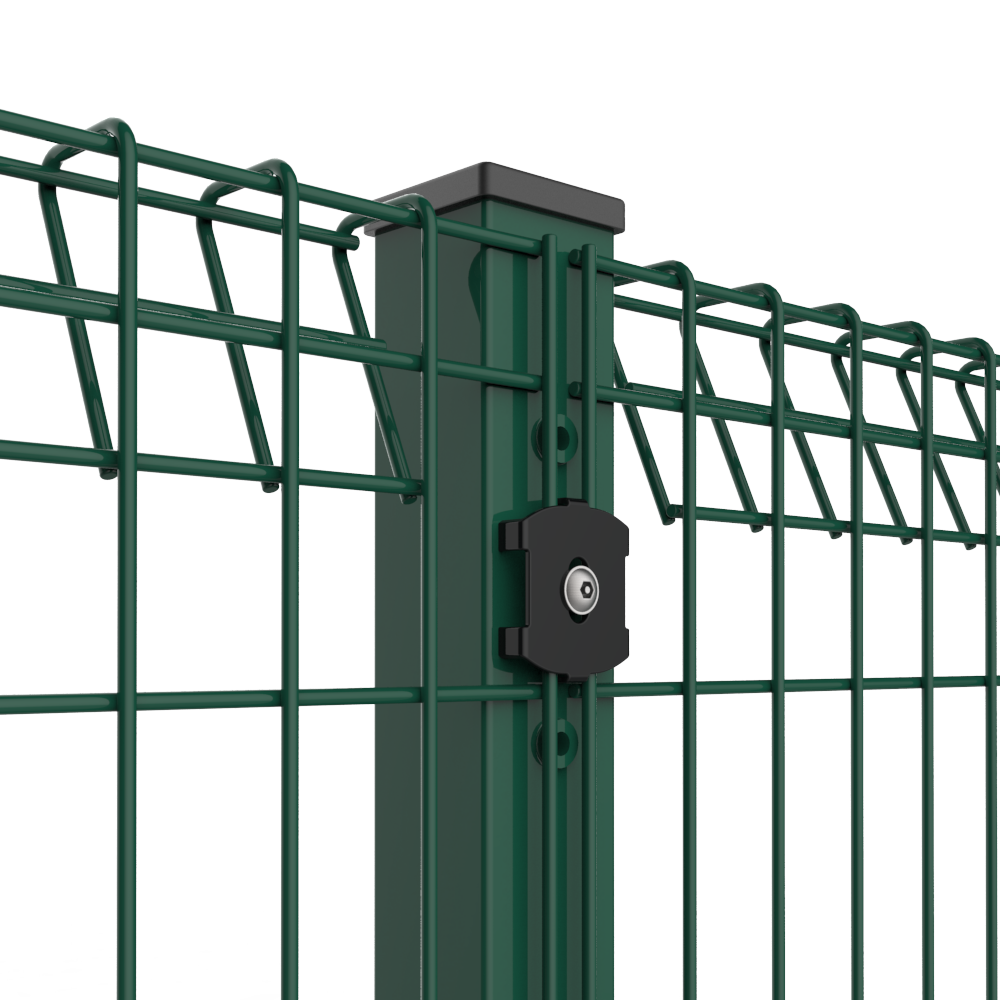
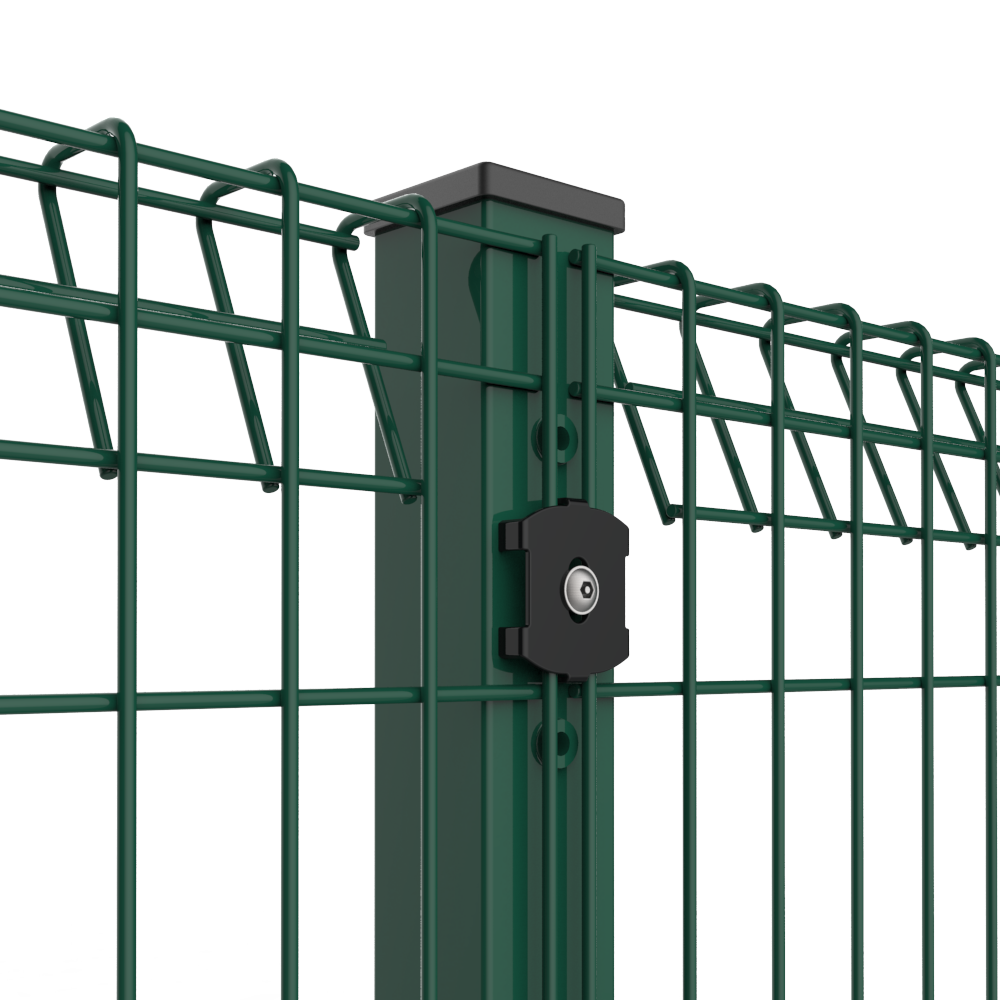
Roll top mesh curls the panel edge into a tube along the top and the bottom. There is no cut end anywhere a hand can reach, which is the whole reason the system exists and the reason it is the standard specification for MUGAs, play areas and school pitches.
Roll top systems

The stiffness
That rolled tube is also a structural member. It stiffens the top and bottom edge of the panel considerably, which is what stops a ball-court fence going wavy after a season of being climbed and rebounded off. On 4.5mm pre-galvanised and powder coated wire it holds its line.
The rebound
A ball coming off a flat rigid panel goes back into play predictably. A ball coming off a sagging chain link fence does whatever it likes and usually ends up in the road. This is the practical difference players notice and the one that decides whether the fence is any good.
Heights
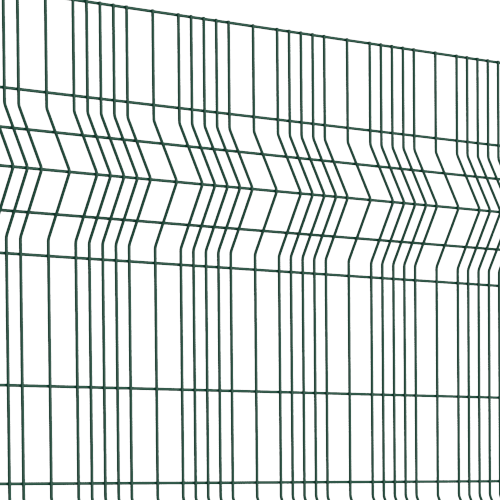
Panels are 3m wide and we stock 1.2m, 1.5m and 1.8m high. The usual approach on a full ball court is to run the lower height along the sides and step up at the ends where the ball actually goes — 1.2m sides with 1.8m ends is a common and sensible arrangement.
For a genuine ball-stop above that, the fence stops being fencing and becomes a specified ball-stop system, which is a different conversation. Ring us with the pitch dimensions and what is behind the ends.
Panels on their own

Gates, and the thing everyone forgets
Two things get left off ball-court orders. The first is a maintenance gate wide enough for a mower — a pedestrian gate is fine for players and useless for whoever cuts the grass. The second is that the fence line needs a level base; roll top panels step on a slope like any other rigid mesh, and a triangular gap at the bottom of a ball court is a ball-sized gap.
What not to use
Chain link round a pitch sags, gets climbed, has an exposed cut edge at the bottom and gives an unpredictable rebound. It is cheaper on day one and it is the fence everyone ends up replacing. Palisade round a play area is a genuinely bad idea — pointed tops at child height needs no further explanation.
Products in this article
Frequently asked questions
- What is roll top mesh fencing?
Rigid mesh panels with the top and bottom edges curled into a tube. The roll removes the cut wire ends and stiffens the panel, which is why it is the standard specification for sports pitches, MUGAs and play areas.
- What height fencing does a ball court need?
Commonly 1.2m to 1.5m along the sides and 1.8m at the ends where the ball goes. We stock roll top at 1.2m, 1.5m and 1.8m in 3m panels. Anything taller is a specified ball-stop system rather than fencing.
- Is chain link suitable for a sports pitch?
It is cheap but it is the wrong fence. Chain link sags, gives an unpredictable rebound, has an exposed cut edge at the bottom and is easy to climb. Roll top rigid mesh solves all four and lasts far longer.