


How many railing posts and panels do I need for a run?
Bay spacing is fixed by the post type — 2750mm on the taller RSJ range, 2800mm on the box-post range. Measure the run and the panel count follows.
Railings are ordered by the bay, not the panel, and the two numbers aren't quite the same thing — which is where most quantity questions come from.
Start from the bay, not the panel
The bay is the post-to-post spacing, and it's fixed by which post you're on: 2800mm on the 12mm/16mm-bar, box-post range, 2750mm on the 20mm-bar, RSJ-post range. The panel itself is made a little shorter than the bay so it drops cleanly between two posts.
Worked example — 2800mm bay (12mm/16mm bar range)
| Run length | Posts | Panels |
|---|---|---|
| 2.8m | 2 | 1 |
| 5.6m | 3 | 2 |
| 8.4m | 4 | 3 |
| 14m | 6 | 5 |
Same logic on the 20mm-bar range — just divide by 2.75m instead of 2.8m.
Don't forget the end posts
On a straight run, posts = bays + 1 — one at each end plus one at every joint in between. Unlike railway sleeper posts, railings don't have a separate heavier corner product: a change of direction is still just a post, carrying a panel on each side the same as any other bay post.
Posts sold separately
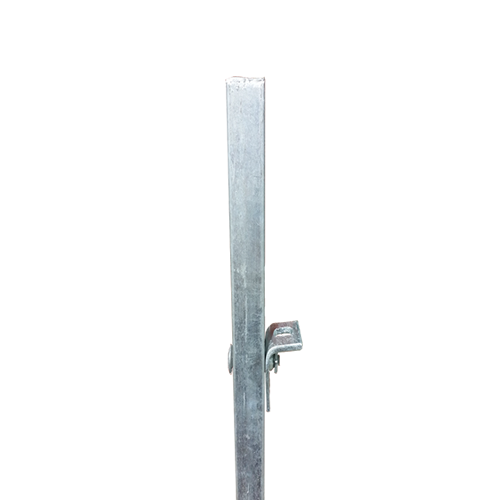
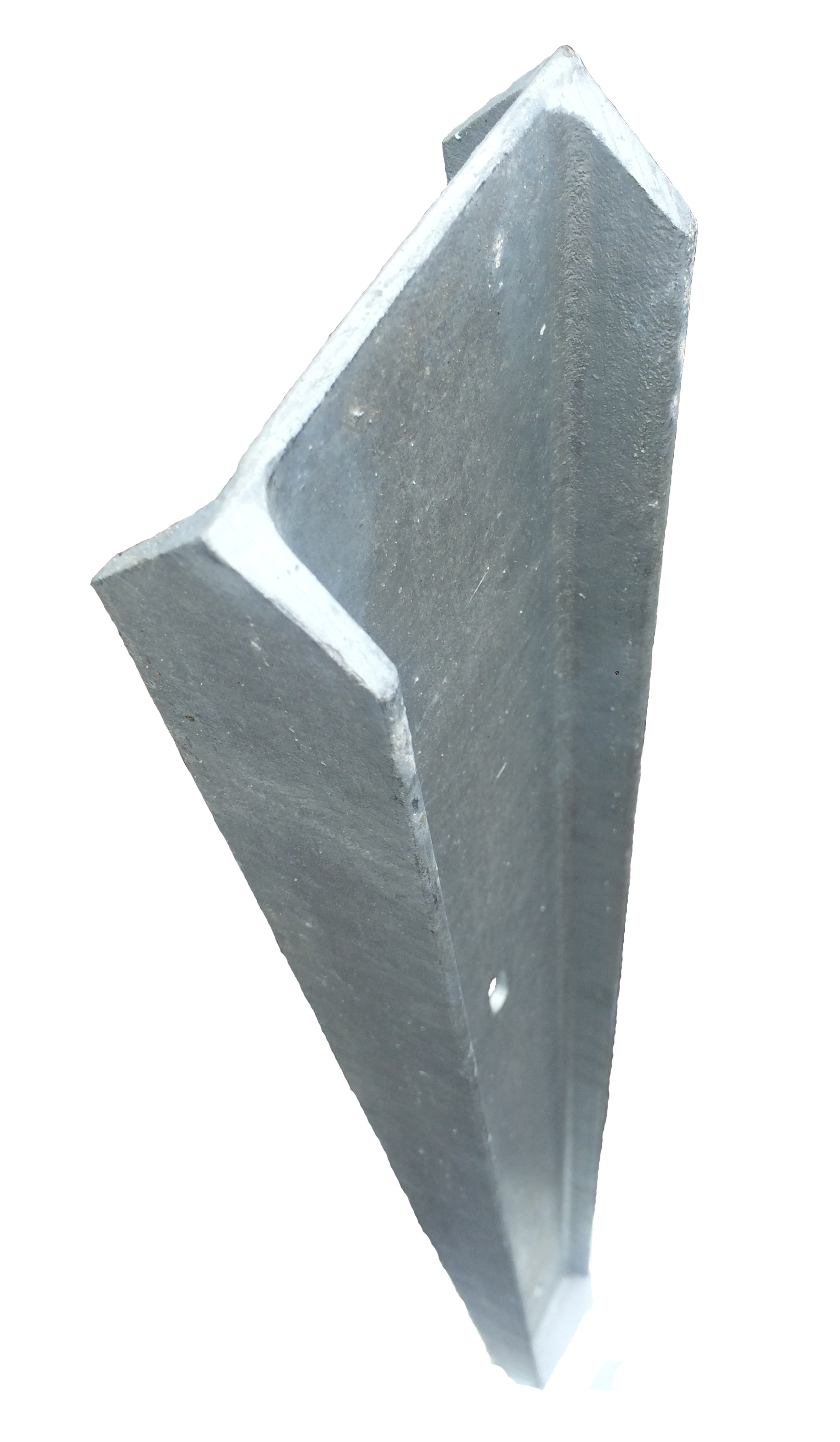
Products in this article
Frequently asked questions
- Is bay spacing the same as panel width?
No — the bay is the post-centre spacing (2750mm or 2800mm). The panel is made a little shorter so it fits cleanly between the posts.
- How do I handle a corner in the run?
It's still just a post at that point, carrying a panel on each side the same as any mid-run post — railings don't have a separate corner-specific post the way sleeper posts do.
- Can I mix bar diameters on the same run?
Only within the heights each diameter is sold at — 20mm from 1.8m to 2.1m, 16mm from 1.2m to 1.8m, 12mm from 900mm to 1.2m. Stepping height steps the bar and post with it, it isn't a free choice at every height.