


What height palisade fencing do I need?
1.8m for general commercial, 2.4m where the fence will be tested, 1.2m to 1.5m for marking a boundary. What the height buys you, and what it costs in groundwork.
Height is the first thing people ask about and the thing they most often over-specify. A taller fence costs more in steel, more in groundwork and more in delivery, and past a certain point it stops adding much security at all — because people rarely go over the top of a fence when there is an easier way in somewhere else.
The seven heights, and what each is for
| Height | Typical use |
|---|---|
| 1.2m | Boundary demarcation where sightlines matter |
| 1.5m | Low-risk boundaries, internal divisions, verges |
| 1.8m | The general commercial height — yards, units, car parks |
| 2.0m | A step up where 1.8m looks marginal |
| 2.1m | Where a spec calls for it, or to match existing |
| 2.4m | Compounds, schools, sites expected to be tested |
| 3.0m | Maximum-security perimeters, plant and utilities |
The two that matter
In practice most jobs land on 1.8m or 2.4m.
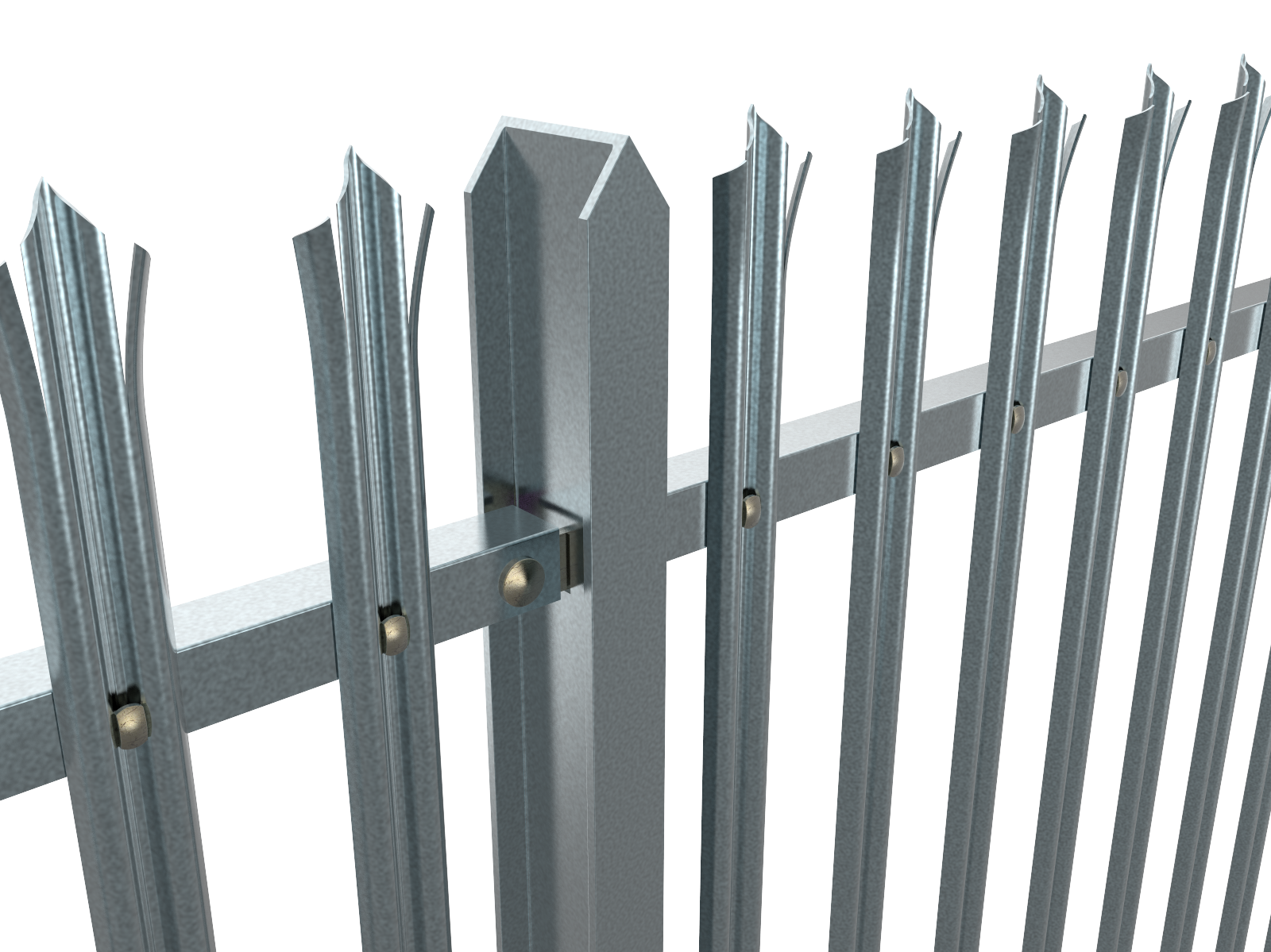
1.8m is the workhorse. It is above head height, it deters casual entry, and it is the height most commercial insurers and specifications assume by default. If nobody has told you otherwise and the site is an ordinary commercial one, this is your answer.
2.4m is what you go to when the boundary is a genuine target — a compound with plant in it, a school where the risk is out of hours, a site with a history. The extra 600mm is not a small difference: it takes the top out of reach for a standing jump, which is the difference between climbing it and needing something to climb from.
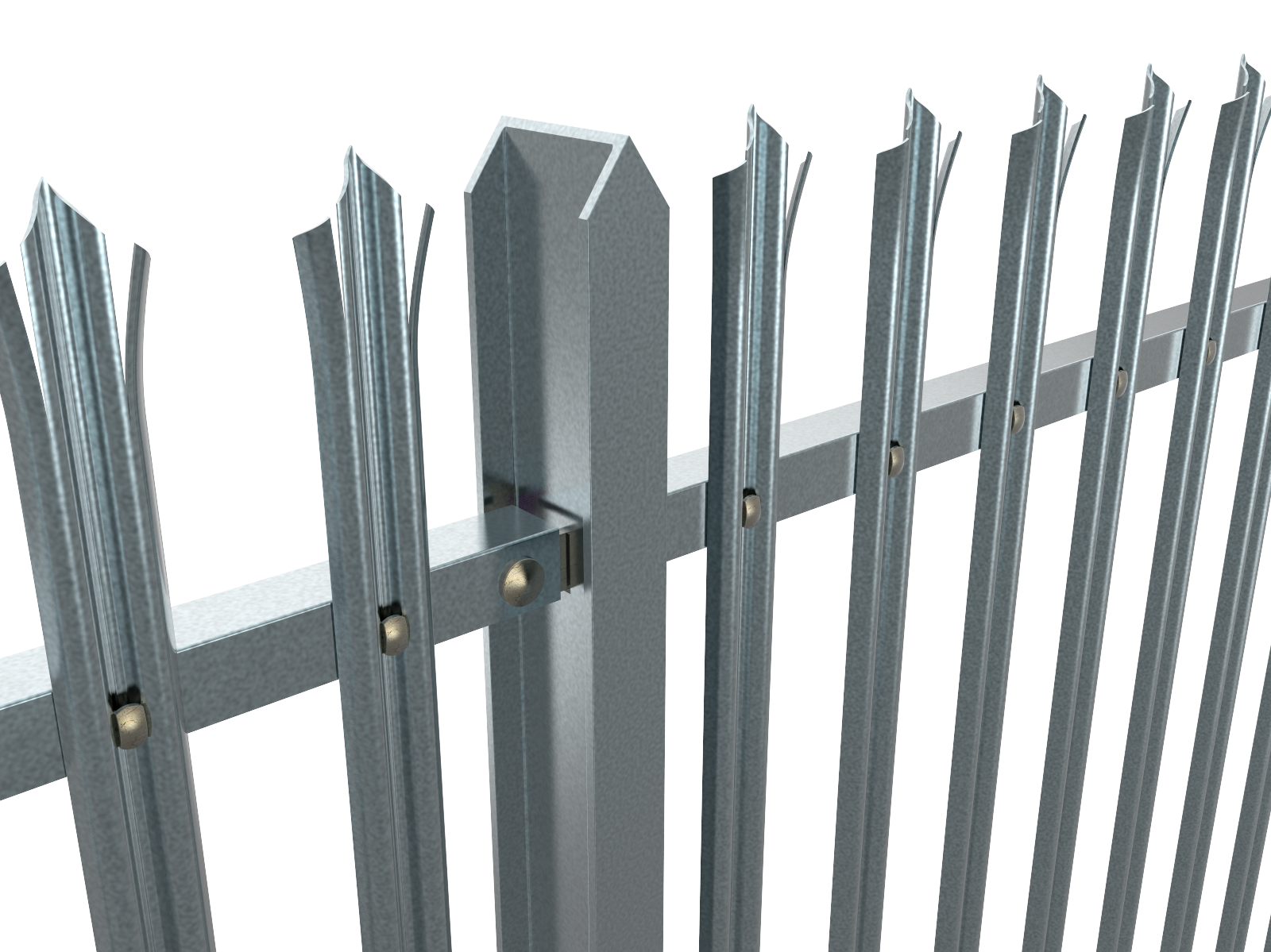
The two common heights
What the height costs you in the ground
The height quoted is the fence above ground. Posts are supplied longer than that so they can be dug in — between about 550mm and 700mm extra depending on height. That extra length is the bit people forget when they are working out access, storage on site and how much concrete they need.
At 3.0m the groundwork stops being an afterthought. Taller posts mean deeper holes and more concrete per post, and on soft ground it becomes a design question rather than a digging one.
Planning permission
The usual thresholds apply and they catch people out. A boundary fence over 2m generally needs planning consent, and over 1m where it adjoins a highway used by vehicles. That means most of the palisade range needs checking before you order, not after. It is a quick call to the local planning department and a great deal cheaper than taking a fence down.
Do not solve the wrong problem
If a 1.8m fence is being climbed, the answer is often not 2.4m. Look at what is next to the fence first — a bin store, a stack of pallets, a parked trailer, a bank of earth. Almost every climbed fence has something within a metre of it that took a metre off the effective height. Moving it is free.
And if the fence is genuinely tall enough but people are still getting over, an anti-climb topping is a cheaper increment than a whole new height of fence.
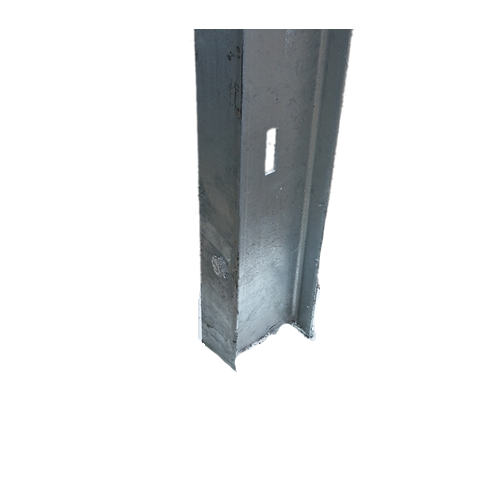
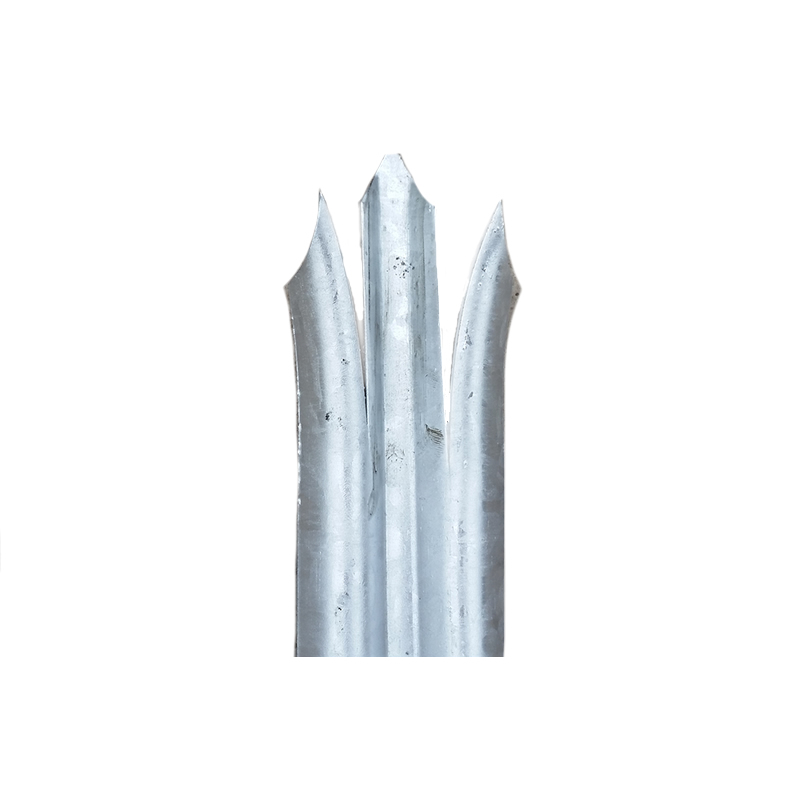
Components at every height
Products covered in this guide
Frequently asked questions
- What is the standard height for palisade fencing?
1.8m is the general commercial standard — above head height, and what most specifications assume by default. 2.4m is the usual step up for compounds, schools and sites expected to be tested.
- Do I need planning permission for a 2.4m palisade fence?
Usually yes. A boundary fence over 2m generally requires planning consent, and over 1m where it adjoins a highway used by vehicles. Check with the local planning department before ordering.
- How deep do palisade posts go into the ground?
Posts are supplied roughly 550mm to 700mm longer than the fence height depending on the height, and that extra length is what goes into the ground and the concrete. A 1.8m fence uses a 2.35m post; a 3.0m fence uses a 3.7m post.