


Composite fencing: what it actually replaces
Composite is not a like-for-like swap for a timber panel — it costs more up front and buys back the weekend you would have spent staining it. Whether that is worth it depends on the boundary.
Composite fencing has gone from a curiosity to a genuine part of our domestic range in a couple of years, and the question we get asked most is whether it is worth the difference over a timber panel. The honest answer is that it depends what you are comparing it to.
What it is
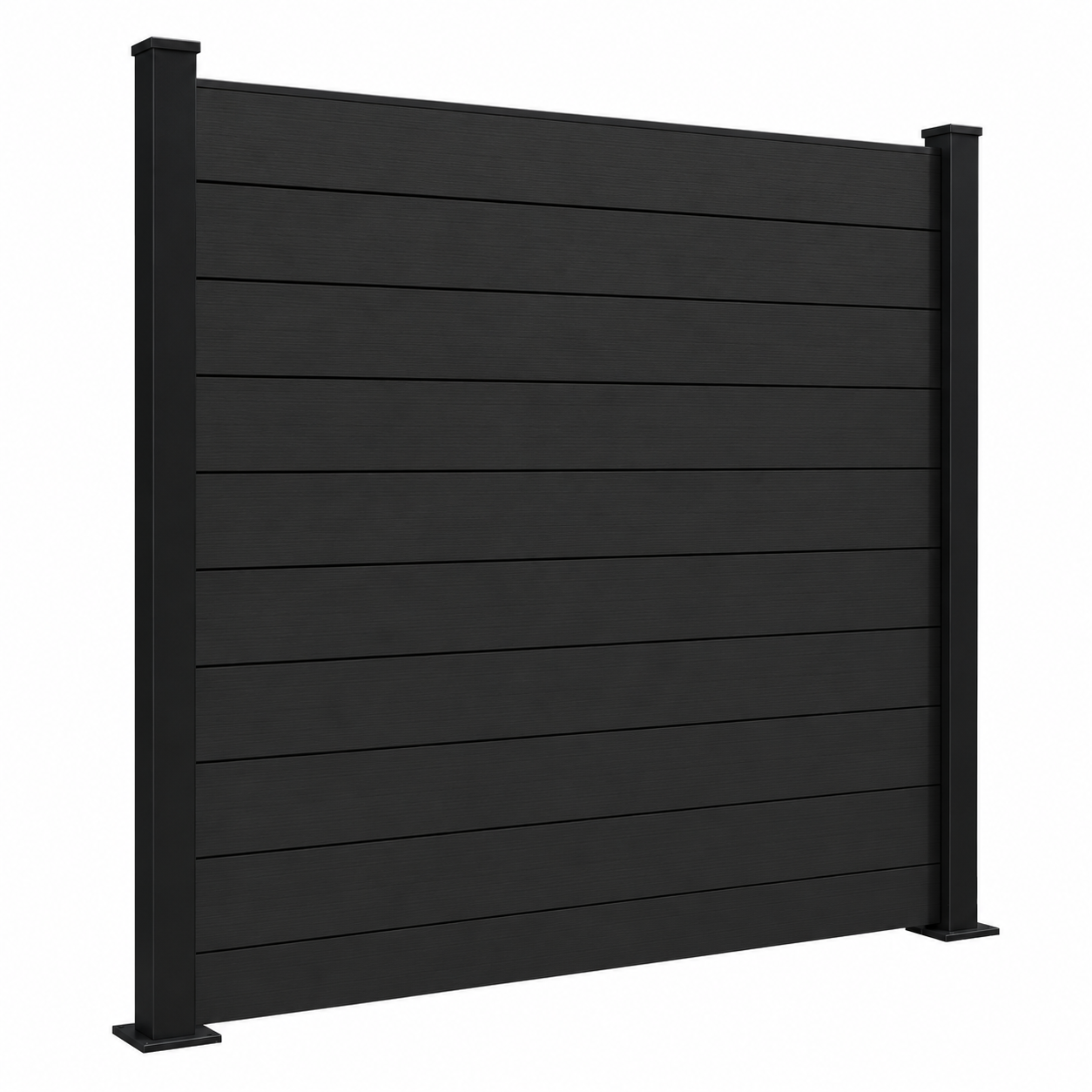
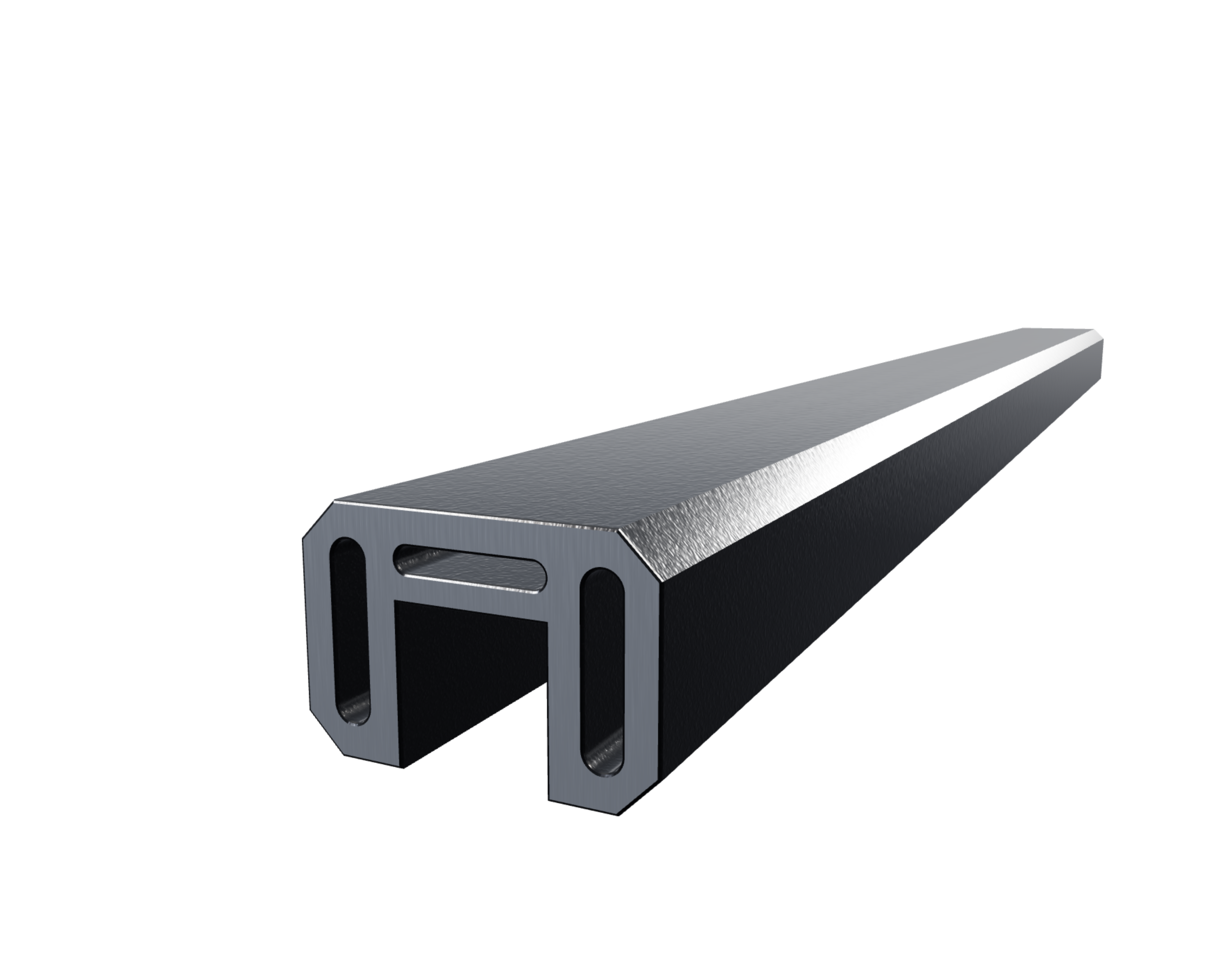
A mix of wood fibre and recycled plastic, extruded into boards and slotted between posts. It keeps roughly the look of timber but none of the behaviour — it will not rot, warp, split or need staining, and the colour is through the board rather than on it.
What it actually replaces
Not a cheap lap panel. A composite boundary competes with a good closeboard or feather edge fence that somebody intends to look after — and that is the fair comparison, because that is the fence with a comparable life.
Set against a feather edge panel that gets treated every couple of years, composite costs more on day one and less across ten. Set against a budget panel that gets replaced when it blows over, it looks expensive.
Where it makes most sense
- Boundaries that are hard to get at once built — between houses, or backing onto something.
- Rented and managed property, where nobody is going to be staining a fence.
- Anywhere a uniform colour matters and weathered timber would not do.
Where it doesn't
Long rural runs, agricultural boundaries and anywhere the fence is genuinely temporary. Composite's advantage is measured over a decade, and if the fence is not going to be there in a decade, you are paying for something you will not collect.
Products in this article
Frequently asked questions
- Does composite fencing need any maintenance?
Effectively none beyond an occasional wash. It does not need staining, painting or treating, which is the main reason people choose it over timber.
- Is composite fencing more expensive than timber?
More expensive to buy and less expensive to own. It costs more than an equivalent timber panel up front, and there is no ongoing treatment cost and a much longer replacement cycle.
- Does composite fencing look like real wood?
It keeps the look of timber boards without the upkeep. The boards are a wood-fibre and recycled-plastic mix, so they hold their appearance without staining or painting, and they will not rot or warp the way timber panels do.
- Is composite fencing worth the extra cost over timber?
It depends on the boundary. Composite costs more up front than a timber panel, and what you are buying is the end of maintenance — no staining, no rot, no warped panels to swap out. On a fence you would otherwise be treating every year or two, that gap closes over the life of the fence.